Home → Dog Breeds → Designer & Mixed Breeds → Cavachon
A Cavachon is a designer cross between a Cavalier King Charles Spaniel and a Bichon Frise, bred to combine the Cavalier’s gentle, affectionate temperament with the Bichon’s low-shedding coat.
Because it’s a mixed breed rather than an AKC-recognized breed with a fixed standard, a Cavachon’s exact traits vary depending on its specific parentage and generation, though certain patterns show up consistently enough to plan around. This guide covers where the cross originated, its temperament, how big Cavachons get, how long they live, the health problems they are prone to, grooming, how much exercise they need, how easy they are to train, what to feed them, the pros and cons of owning one, and what else people ask.
What Is a Cavachon and Where Did the Cross Originate?
A Cavachon is a cross between a Cavalier King Charles Spaniel and a Bichon Frise, first deliberately bred in the United States in the 1990s as part of the broader designer-dog movement that followed the Labradoodle. Breeders paired the two specifically to combine the Cavalier’s warm, people-focused temperament with the Bichon’s curly, low-shedding coat, aiming for a companion suited to families and allergy-sensitive owners alike. Cavachons are not recognized by the AKC as an official breed, and like most designer crosses, a dog’s exact mix of traits depends on its generation and which parent genetics come through strongest.
The American Kennel Club does not register the Cavachon as a breed, so there is no official Cavachon standard; its parent breeds are each described in their own AKC breed standards for the Cavalier King Charles Spaniel and the Bichon Frise.
What Is a Cavachon’s Temperament Like?
A Cavachon’s temperament is affectionate, gentle, and highly social, drawing heavily on the Cavalier King Charles Spaniel side of its parentage. Cavachons are commonly described as adaptable to both a house with a yard and a city apartment, and the breed generally does well with children and other pets. This mix is genuinely people-oriented and doesn’t do well left alone for long stretches, so consistent companionship matters for this cross.
How Big Do Cavachons Get?
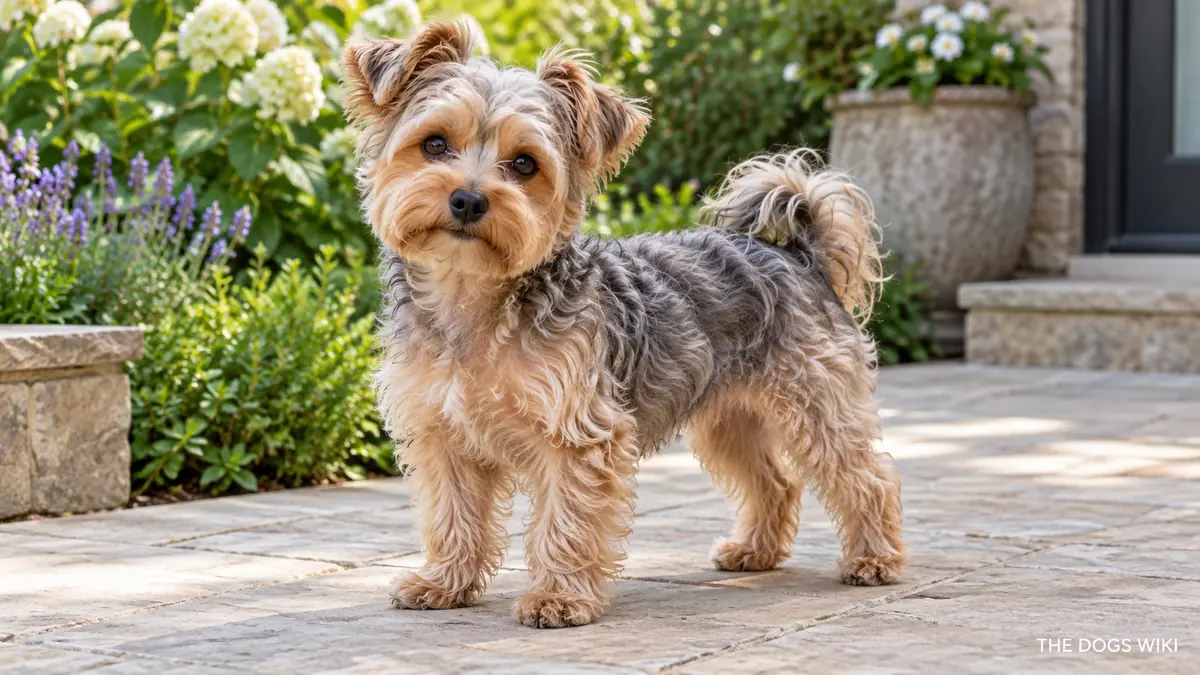
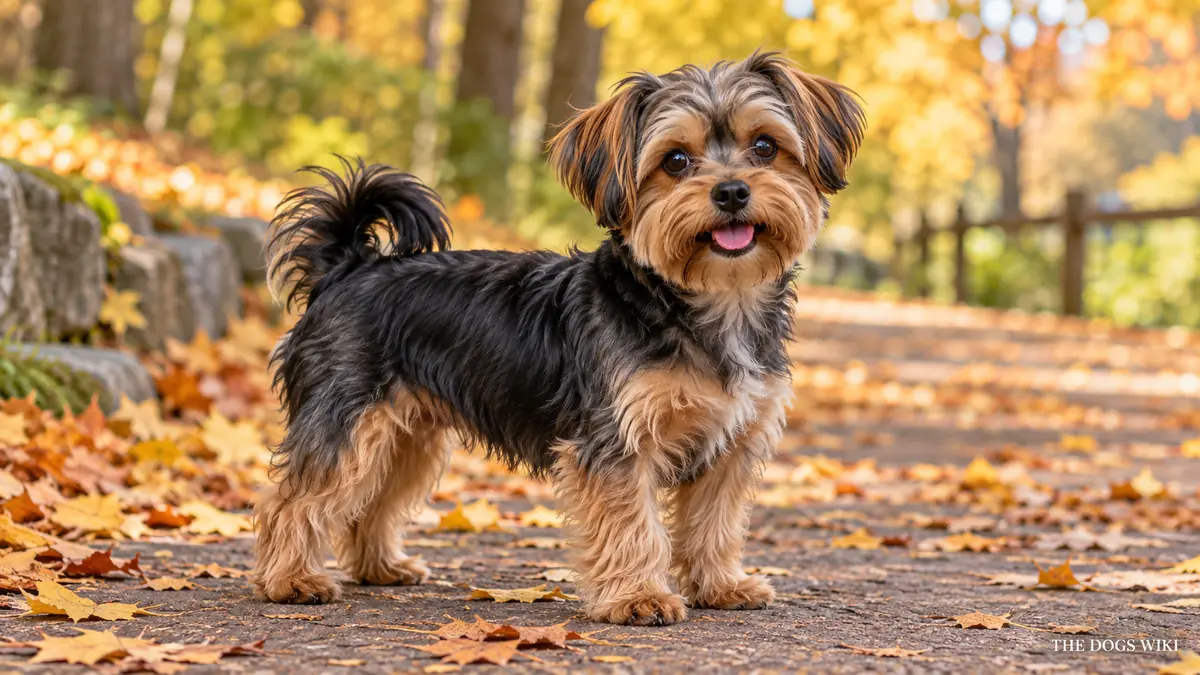
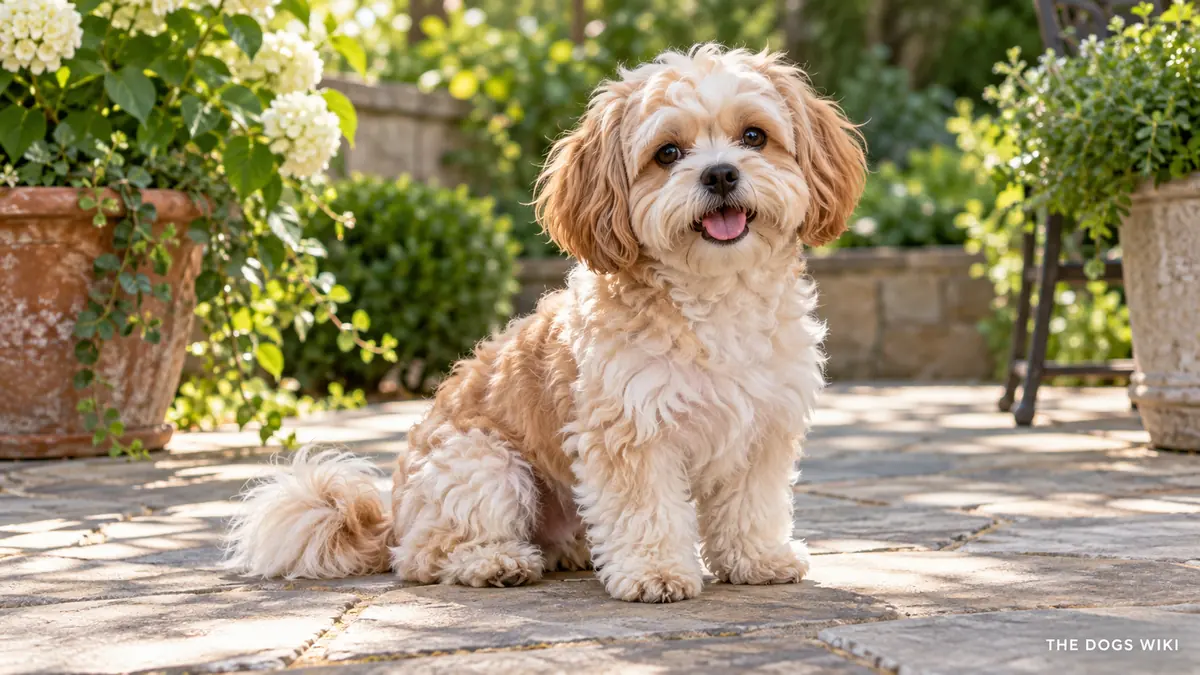
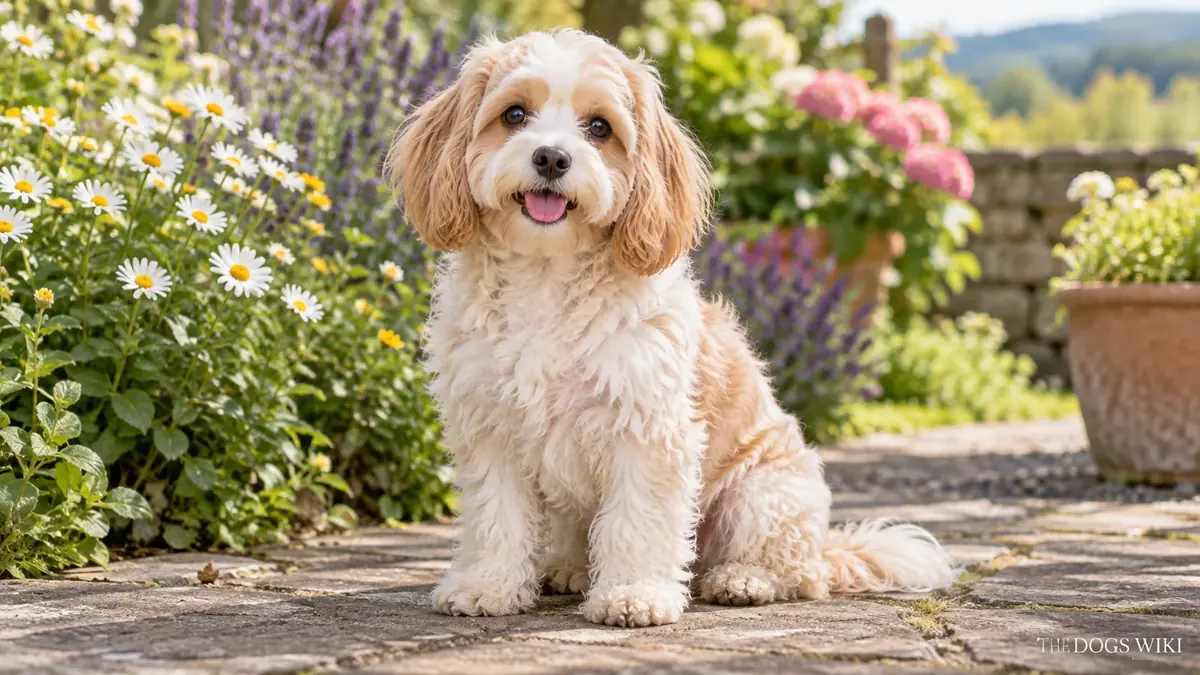
A Cavachon typically stands 12 to 13 inches at the shoulder and weighs 15 to 20 pounds as an adult, falling between its two parent breeds, with the Cavalier King Charles Spaniel contributing a slightly longer body and the Bichon Frise contributing a more compact frame. Coat color varies with the cross, commonly producing white, cream, apricot, or tricolor dogs depending on which parent genetics dominate. Individual size can still vary meaningfully depending on the specific parents used in a given litter.
How Long Do Cavachons Live?
Cavachons live 12 to 15 years, a lifespan that benefits from the Bichon Frise’s generally sturdy health profile offsetting some of the Cavalier King Charles Spaniel’s documented heart-related risks. Regular veterinary care, including the health screening covered below, supports a full lifespan for this cross.
What Health Problems Are Cavachons Prone To?
Because a Cavachon inherits traits from both parent breeds, it can be prone to health conditions documented in either the Cavalier King Charles Spaniel or the Bichon Frise.
- Mitral valve disease. A progressive heart condition well documented in the Cavalier King Charles Spaniel, making cardiac screening of breeding stock important for this cross.
- Patellar luxation. A kneecap condition common in smaller breeds, present in both parent lines.
- Syringomyelia. A neurological condition tied to skull shape, documented in the Cavalier King Charles Spaniel and worth screening for in breeding dogs.
- Allergies and skin sensitivity. A tendency inherited from the Bichon Frise side, which can show up as itchy skin or recurring ear issues.
- Eye conditions. Cataracts and other inherited eye problems documented in both parent breeds.
How Do You Groom a Cavachon?
A Cavachon’s coat needs regular brushing several times a week to prevent mats and tangles, and the exact texture depends on the individual dog’s parentage, ranging from wavy to tightly curled like the Bichon Frise. Dogs with a higher percentage of Bichon Frise genetics tend to shed less and may be better suited to allergy-sensitive households, though no dog is completely allergen-free.
How Much Exercise Does a Cavachon Need?
A Cavachon needs roughly 30 to 45 minutes of daily exercise, a moderate amount reflecting both parent breeds’ companion-first heritage rather than a demanding working background. Without enough physical and mental engagement, a Cavachon can become bored and develop unwanted habits like excessive barking, since both parent breeds bond closely with their people and need regular interaction.
Are Cavachons Easy to Train?
Yes, Cavachons are generally easy to train, inheriting genuine eagerness to please from both the Cavalier King Charles Spaniel and Bichon Frise sides of their parentage. Positive reinforcement training works well, and early socialization and consistent obedience work in puppyhood help set up a well-mannered adult.
What Should You Feed a Cavachon?
A Cavachon does well on a high-quality formula suited to its size and activity level, with portions based on the individual dog’s actual weight and body condition rather than a one-size-fits-all guideline. A veterinarian can help set an appropriate feeding plan.
What Are the Pros and Cons of Owning a Cavachon?
Here are the main advantages of owning a Cavachon.
- Affectionate, gentle, highly trainable temperament
- Lower-shedding coat than the Cavalier King Charles Spaniel parent alone
- Adaptable to a range of living situations, including apartments
- Good with children and other pets
Here are the main drawbacks of owning a Cavachon.
- Size, coat, and temperament can vary meaningfully between individual dogs and generations
- Can inherit health risks from either parent breed, including the Cavalier King Charles Spaniel’s documented heart conditions
- Doesn’t tolerate being left alone for long stretches
- Not officially recognized by the AKC, so no fixed breed standard exists
Cavachon-specific rescue organizations and general shelters both place adult dogs regularly, worth a look for anyone drawn to this cross but not set on a breeder search.
What Else Do People Ask About the Cavachon?
The questions below cover how much a Cavachon costs, whether Cavachons are hypoallergenic, the difference between the Cavachon and the Cavapoo, and how much a Cavachon sheds.
How much does a Cavachon cost?
Cavachon prices vary widely by breeder, region, and generation, and a puppy from a breeder who performs cardiac screening and other health testing on the parents typically costs more than one from a breeder who skips that testing. Adopting an adult Cavachon through a rescue is usually a lower-cost alternative.
Are Cavachons hypoallergenic?
Cavachons are often described as hypoallergenic because they shed relatively little compared to a purebred Cavalier King Charles Spaniel, but no dog is completely allergen-free. Dogs with a higher percentage of Bichon Frise genetics tend to have curlier, lower-shedding coats that work better for allergy-sensitive owners.
What is the difference between the Cavachon and the Cavapoo?
Cavachons and Cavapoos both start with a Cavalier King Charles Spaniel parent, but a Cavapoo is crossed with a Poodle rather than a Bichon Frise, which typically gives it a curlier coat and slightly higher trainability driven by the Poodle’s working intelligence. Both crosses share a similarly affectionate, people-focused temperament overall.
How much does a Cavachon shed?
A Cavachon sheds considerably less than a purebred Cavalier King Charles Spaniel, since the Bichon Frise contributes a low-shedding coat, though the exact amount depends on which parent’s coat genetics dominate in an individual dog. Regular brushing keeps shedding and matting manageable regardless of coat type.
Related Guides
More guides on The Dogs Wiki cover behavior, grooming, training, nutrition, and adoption.
| Guide |
|---|
| Behavior |
| Grooming |
| Training |
| Nutrition |
| Adoption |