Category: Urinary & Renal Health

  • Urinary Tract Infections (UTIs) in Dogs: Symptoms, Causes, Treatment, and Prevention

    Home → Dog Health → Urinary & Renal Health → Urinary Tract Infections (UTIs) in Dogs

    Urinary Tract Infections (UTIs) in Dogs: Symptoms, Causes, Treatment, and Prevention

    A urinary tract infection in dogs is a bacterial infection of the bladder or urethra that causes painful, frequent urination, and it’s one of the most common reasons dogs are brought to the vet for a urinary issue.

    Female dogs face a higher risk of UTIs than males given their shorter urethra, which gives bacteria an easier path to the bladder, though any dog can develop one. This guide covers what causes UTIs, their symptoms, how they’re diagnosed, how they’re treated, whether they can be prevented, and when to see a veterinarian.

    This guide covers what a UTI is, what causes it in dogs, its symptoms, how it’s diagnosed, how it’s treated, whether it can be prevented, when to see a vet, and what else people ask.

    What Is a Urinary Tract Infection in Dogs?

    A urinary tract infection in dogs is a bacterial infection affecting the bladder, the urethra, or both, most commonly caused by bacteria that travel up the urethra from outside the body. Escherichia coli, commonly known as E. coli, is the bacteria most frequently responsible for canine UTIs, though several other bacterial species can also cause infection. A UTI can occur as a standalone infection or develop secondary to another underlying condition, such as bladder stones or a hormonal disease, that makes the urinary tract more vulnerable to bacterial growth.

    What Causes Urinary Tract Infections in Dogs?

    Most UTIs develop when bacteria from the skin or surrounding environment travel up the urethra into the bladder, a path that’s shorter and more direct in female dogs, which is why they’re diagnosed with UTIs more often than males. Conditions that cause urine to sit in the bladder longer than normal, including bladder stones or an anatomical abnormality, give bacteria more opportunity to multiply and establish an infection. Underlying hormonal diseases, including diabetes and Cushing’s disease, can also raise UTI risk by altering urine composition in ways that favor bacterial growth.

    What Are the Symptoms of a Urinary Tract Infection in Dogs?

    The most common symptoms of a UTI are frequent urination in small amounts, straining or visible discomfort while urinating, and blood visible in the urine. A previously house-trained dog having accidents indoors is another common sign, since the urgency and discomfort of a UTI can override normal house-training habits. Some dogs also lick at their genital area more than usual or produce unusually strong-smelling urine, both of which are worth mentioning to a veterinarian.

    How Is a Urinary Tract Infection in Dogs Diagnosed?

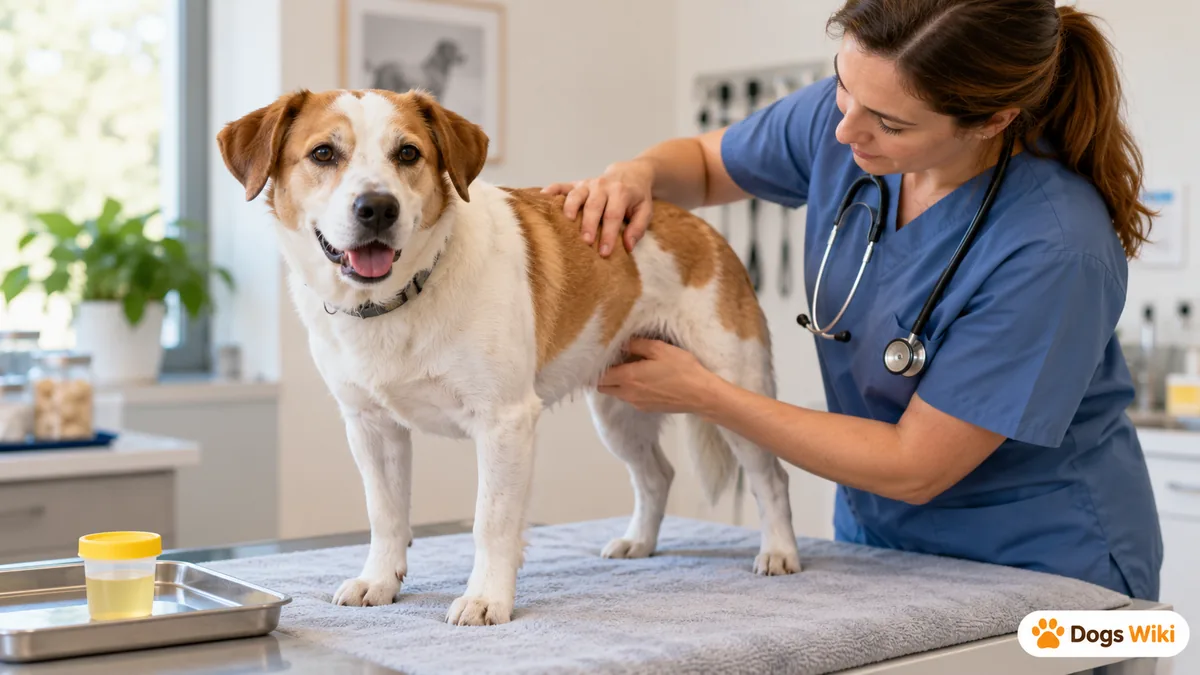
    A veterinarian diagnoses a UTI primarily through a urinalysis, which checks for bacteria, white blood cells, and other markers of infection in a urine sample. A urine culture, which grows the specific bacteria present in a lab setting, helps identify the exact organism causing the infection and which antibiotics will be most effective against it. For dogs with recurring UTIs, a veterinarian often recommends additional testing, including imaging, to look for an underlying cause like bladder stones that might be contributing to repeat infections.

    How Is a Urinary Tract Infection in Dogs Treated?

    UTIs are treated with a course of antibiotics chosen based on the specific bacteria identified through urine culture, which confirms the medication actually targets the organism causing the infection rather than guessing. Completing the full prescribed course of antibiotics matters even if symptoms improve quickly, since stopping early can allow the infection to return or contribute to antibiotic resistance. When a UTI is linked to an underlying condition, such as bladder stones or a hormonal disease, treating that root cause is essential for preventing the infection from recurring.

    Can Urinary Tract Infections in Dogs Be Prevented?

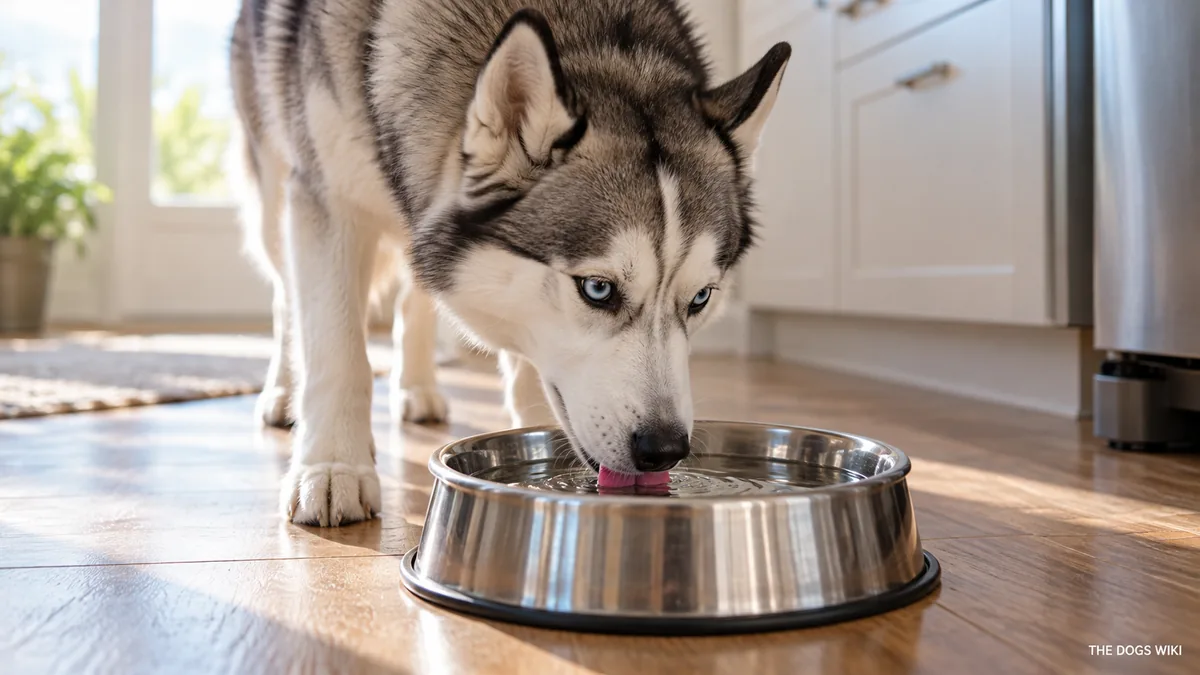
    Ensuring a dog always has access to fresh water and regular opportunities to urinate helps prevent urine from sitting in the bladder longer than necessary, which reduces the opportunity for bacteria to establish an infection. Good hygiene, including keeping the genital area clean, particularly for female dogs, can also help reduce risk. Promptly treating underlying conditions, including bladder stones and hormonal diseases, prevents the secondary UTIs that can develop as a complication of those conditions.

    When Should You See a Vet for a Urinary Tract Infection in Dogs?

    See a veterinarian if a dog shows frequent urination, straining, blood in the urine, or house-training accidents that are out of character, since these are the classic signs of a UTI needing prompt evaluation and treatment. A dog that strains to urinate but produces little to no urine needs urgent veterinary attention, since this can indicate a complete urinary blockage, a genuine emergency, rather than a routine infection. A dog with recurring UTIs should also see a veterinarian for further workup, since repeated infections often point to an underlying condition that needs its own treatment.

    What Else Do People Ask About Urinary Tract Infections in Dogs?

    The questions below cover whether UTIs are more common in certain dogs, whether a UTI can resolve without treatment, how long treatment typically takes, and whether UTIs are contagious between dogs.

    Are UTIs more common in certain dogs?

    Yes, female dogs face a higher documented risk of UTIs than males given their shorter, wider urethra, and older dogs and dogs with underlying conditions like diabetes also face an elevated risk. Breed doesn’t play as significant a role in UTI risk as these anatomical and health-related factors do.

    Can a UTI in dogs resolve without treatment?

    No, a UTI in dogs generally doesn’t resolve on its own and needs antibiotic treatment to clear the infection. Leaving a UTI untreated risks the infection spreading to the kidneys or becoming a more serious, harder-to-treat condition.

    How long does UTI treatment typically take?

    Most uncomplicated UTIs in dogs resolve within one to two weeks of appropriate antibiotic treatment, though a veterinarian may recommend a recheck urinalysis to confirm the infection has fully cleared. More complicated or recurrent infections can require a longer treatment course and additional diagnostic workup.

    Are UTIs contagious between dogs?

    No, UTIs are not contagious between dogs in the way a respiratory virus might be, since the infection typically originates from bacteria already present on the dog’s own body rather than being transmitted from another animal. There’s no need to isolate a dog with a UTI from other pets in the household for this reason.

    Related Guides

    More guides on The Dogs Wiki cover general dog health and senior dog care.

    Guide
    Dog Health
  • Urinary Incontinence in Dogs: Symptoms, Causes, Treatment, and Prevention

    Home → Dog Health → Urinary & Renal Health → Urinary Incontinence in Dogs

    Urinary Incontinence in Dogs: Symptoms, Causes, Treatment, and Prevention

    Urinary incontinence in dogs is the involuntary leaking of urine, distinct from a house-training problem, most commonly caused by weakened bladder sphincter muscles in spayed female dogs.

    Incontinence is a genuine medical condition rather than a behavioral issue, since an incontinent dog has no control over the leaking and is often unaware it’s happening, particularly during sleep. This guide covers what causes urinary incontinence, its symptoms, how it’s diagnosed, how it’s treated, whether it can be prevented, and when to see a veterinarian.

    This guide covers what urinary incontinence is, what causes it in dogs, its symptoms, how it’s diagnosed, how it’s treated, whether it can be prevented, when to see a vet, and what else people ask.

    What Is Urinary Incontinence in Dogs?

    Urinary incontinence in dogs is the involuntary leaking of urine, meaning the dog has no conscious control over it, as opposed to voluntary urination in an inappropriate place, which is a behavioral or house-training issue rather than a medical one. The most commonly diagnosed form is urethral sphincter mechanism incompetence, in which the muscle responsible for keeping the bladder closed weakens and allows urine to leak out, particularly while a dog is relaxed or sleeping. This specific form is especially common in spayed female dogs, since the procedure is associated with hormonal changes that can affect sphincter muscle tone over time.

    What Causes Urinary Incontinence in Dogs?

    Urethral sphincter mechanism incompetence, linked to reduced estrogen levels following spay surgery, is the most common cause of incontinence in female dogs, though the exact reason only some spayed females develop the condition isn’t fully understood. Neurological conditions affecting the nerves that control bladder function, anatomical abnormalities present from birth, and bladder stones or chronic urinary tract infections can all also cause or contribute to incontinence. Age-related weakening of the muscles involved in bladder control is another recognized contributing factor, particularly in senior dogs.

    What Are the Symptoms of Urinary Incontinence in Dogs?

    The hallmark symptom of urinary incontinence is leaking urine without the dog’s awareness, most often noticed as wet spots where a dog has been lying down or sleeping. Some dogs show mild dribbling throughout the day, while others primarily leak during sleep when the muscles controlling the bladder are most relaxed. Unlike a UTI, incontinence typically doesn’t cause straining, pain, or visible discomfort during urination, since the leaking happens passively rather than during an active attempt to urinate.

    How Is Urinary Incontinence in Dogs Diagnosed?

    A veterinarian diagnosing incontinence first rules out a urinary tract infection and other active urinary conditions through a urinalysis, since these need to be addressed separately and can sometimes mimic or worsen incontinence symptoms. Bloodwork and a physical exam help assess for other contributing conditions, and in cases where a structural or neurological cause is suspected, imaging such as an X-ray or ultrasound can help identify an anatomical abnormality. A thorough history, including when the leaking happens and how it started, also helps a veterinarian narrow down the likely cause.

    How Is Urinary Incontinence in Dogs Treated?

    Urethral sphincter mechanism incompetence is commonly treated with medication that helps strengthen the sphincter muscle’s tone, most often a drug called phenylpropanolamine, which many dogs respond well to with significantly reduced or resolved leaking. For dogs where hormone-related changes are the primary driver, a veterinarian may also consider hormone replacement therapy as an alternative or complementary approach. Incontinence caused by a structural abnormality sometimes requires surgical correction, while incontinence secondary to another condition, like bladder stones, improves once that underlying issue is properly treated.

    Can Urinary Incontinence in Dogs Be Prevented?

    Urethral sphincter mechanism incompetence following spay surgery isn’t entirely preventable, since it’s a recognized, though unpredictable, potential effect of the hormonal changes involved, and it affects only a portion of spayed female dogs. Promptly treating urinary tract infections and bladder stones can prevent the incontinence that sometimes develops as a complication of those conditions. For dogs that do develop incontinence, early diagnosis and treatment considerably improve the chances of good symptom control.

    When Should You See a Vet for Urinary Incontinence in Dogs?

    See a veterinarian if a dog starts leaking urine involuntarily, particularly if this is a new change in a previously reliably house-trained dog, since this is worth investigating as a medical issue rather than a training lapse. It’s especially worth a prompt visit if the leaking is accompanied by straining, pain, or blood in the urine, since these additional symptoms suggest a different or coexisting urinary problem needing its own evaluation. A dog already diagnosed with incontinence should see a veterinarian if the leaking changes in frequency or severity, since the treatment plan may need adjustment.

    What Else Do People Ask About Urinary Incontinence in Dogs?

    The questions below cover whether incontinence is the dog’s fault, whether it’s treatable, which dogs are most at risk, and whether incontinence always requires lifelong medication.

    Is urinary incontinence a behavioral problem the dog can control?

    No, true urinary incontinence is not a behavioral problem, and an affected dog has no conscious control over the leaking, which typically happens during sleep or relaxation without the dog’s awareness. Punishing a dog for incontinence doesn’t help and isn’t appropriate, since the dog isn’t choosing to leak urine.

    Is urinary incontinence in dogs treatable?

    Yes, urinary incontinence is often very treatable, particularly urethral sphincter mechanism incompetence, which responds well to medication in many dogs. The right treatment depends on the underlying cause, which is why an accurate diagnosis matters before starting any specific treatment.

    Which dogs are most at risk for urinary incontinence?

    Spayed female dogs face the highest documented risk for urethral sphincter mechanism incompetence, with larger breeds showing a somewhat higher reported rate than smaller breeds in some studies. Senior dogs of either sex also face an elevated risk of age-related incontinence as bladder control muscles naturally weaken over time.

    Does incontinence always require lifelong medication?

    Not always, since incontinence caused by a treatable underlying condition, like a UTI or bladder stones, typically resolves once that condition is addressed. Incontinence from urethral sphincter mechanism incompetence, however, often does require ongoing medication to manage symptoms long-term, since the underlying muscle weakness doesn’t resolve on its own.

    Related Guides

    More guides on The Dogs Wiki cover general dog health and senior dog care.

    Guide
    Dog Health
  • Chronic Kidney Disease in Dogs: Symptoms, Causes, Treatment, and Prevention

    Home → Dog Health → Urinary & Renal Health → Chronic Kidney Disease in Dogs

    Chronic Kidney Disease in Dogs: Symptoms, Causes, Treatment, and Prevention

    Chronic kidney disease in dogs is a progressive, irreversible decline in kidney function that develops gradually, most often in older dogs, as the kidneys lose their ability to filter waste from the blood effectively.

    Because the kidneys have considerable reserve capacity, noticeable symptoms often don’t appear until a significant portion of kidney function is already lost, which is why routine screening matters for catching the disease early. This guide covers what causes chronic kidney disease, its symptoms, how it’s diagnosed, how it’s treated, whether it can be prevented, and when to see a veterinarian.

    This guide covers what chronic kidney disease is, what causes it in dogs, its symptoms, how it’s diagnosed, how it’s treated, whether it can be prevented, when to see a vet, and what else people ask.

    What Is Chronic Kidney Disease in Dogs?

    Chronic kidney disease is a progressive condition in which the kidneys gradually lose their ability to filter waste products and excess fluid from the blood, concentrate urine properly, and maintain the body’s balance of electrolytes. Unlike acute kidney injury, which happens suddenly and can sometimes be reversed, chronic kidney disease develops slowly over months to years and represents permanent, ongoing damage to kidney tissue. Veterinarians use a staging system from the International Renal Interest Society to classify the disease’s severity and guide treatment decisions based on how much kidney function remains.

    What Causes Chronic Kidney Disease in Dogs?

    Age-related decline is the most common contributing factor in chronic kidney disease, since kidney tissue naturally loses some function over a long lifespan, making the condition considerably more common in senior dogs. Genetics plays a role in certain breeds that show a documented predisposition to kidney disease at a younger age than typical. A prior episode of acute kidney injury, from causes including toxin exposure or a severe infection, can also leave permanent damage that progresses into chronic disease over time, and some chronic infections or immune-related conditions contribute to gradual kidney damage as well.

    What Are the Symptoms of Chronic Kidney Disease in Dogs?

    Early chronic kidney disease often produces subtle symptoms, most commonly increased thirst and increased urination, as the kidneys lose their ability to concentrate urine properly. As the disease progresses, more dogs show reduced appetite, weight loss, vomiting, and lethargy, reflecting the buildup of waste products the kidneys can no longer filter effectively. In advanced stages, bad breath with an ammonia-like odor and mouth ulcers can develop, both signs of significant toxin buildup in the bloodstream.

    How Is Chronic Kidney Disease in Dogs Diagnosed?

    A veterinarian diagnoses chronic kidney disease through bloodwork measuring waste products including BUN and creatinine, along with a newer marker called SDMA that can detect kidney function decline earlier than traditional bloodwork alone. A urinalysis checking how well a dog’s kidneys are concentrating urine provides additional important information, since reduced concentrating ability is often one of the earliest detectable signs of kidney dysfunction. Once diagnosed, a veterinarian stages the disease using standardized criteria, which helps guide how aggressively to manage the condition going forward.

    How Is Chronic Kidney Disease in Dogs Treated?

    There’s no cure for chronic kidney disease, so treatment focuses on slowing progression and managing symptoms to maintain the best possible quality of life. A prescription kidney diet, typically lower in phosphorus and protein than a standard diet, reduces the workload on the kidneys and is one of the most well-documented interventions for slowing disease progression. Depending on the stage and specific complications present, a veterinarian may also prescribe medication to manage blood pressure, phosphorus levels, or anemia, and dogs in more advanced stages sometimes receive subcutaneous fluids at home to help manage hydration and waste clearance.

    Can Chronic Kidney Disease in Dogs Be Prevented?

    Age-related chronic kidney disease generally can’t be fully prevented, since some decline in kidney function is a natural part of aging that affects dogs to varying degrees. Maintaining good hydration throughout a dog’s life, avoiding exposure to known kidney toxins, and promptly treating conditions like infections or acute kidney injury that could cause lasting damage all support long-term kidney health. Routine senior wellness bloodwork that screens for early kidney changes gives a dog the best chance at catching the disease before significant function is lost.

    When Should You See a Vet for Chronic Kidney Disease in Dogs?

    See a veterinarian if an older dog shows increased thirst, increased urination, reduced appetite, or unexplained weight loss, since these are the classic early signs that prompt kidney function testing. Lethargy, vomiting, or bad breath with an unusual odor warrant a prompt veterinary evaluation, particularly in a senior dog or one with a known kidney-related risk factor. A dog already diagnosed with chronic kidney disease should see a veterinarian regularly for monitoring, since the disease’s stage and management needs can change over time.

    What Else Do People Ask About Chronic Kidney Disease in Dogs?

    The questions below cover whether chronic kidney disease is curable, how long dogs live after diagnosis, whether diet really makes a difference, and which dogs are most at risk.

    Is chronic kidney disease in dogs curable?

    No, chronic kidney disease is not curable, since it involves permanent, irreversible damage to kidney tissue that doesn’t regenerate. It is, however, manageable, and many dogs live comfortably for a meaningful period after diagnosis with appropriate diet and medical management.

    How long do dogs live after a chronic kidney disease diagnosis?

    Survival time after a chronic kidney disease diagnosis varies considerably depending on the disease stage at diagnosis and how well a dog responds to management, ranging from several months to multiple years. Dogs diagnosed at an earlier stage and managed proactively with diet and monitoring generally have a more favorable outlook than those diagnosed later in the disease’s progression.

    Does diet really make a difference for dogs with kidney disease?

    Yes, a prescription kidney diet has well-documented benefits for dogs with chronic kidney disease, including slower disease progression and improved survival time in multiple veterinary studies. This is one of the most impactful, evidence-based interventions available for managing the condition.

    Which dogs are most at risk for chronic kidney disease?

    Older dogs face the highest overall risk for chronic kidney disease simply due to age-related decline in kidney function, and certain breeds show a documented genetic predisposition to developing kidney disease earlier in life. A dog with a history of acute kidney injury or chronic urinary tract infections also faces an elevated risk of developing chronic disease over time.

    Related Guides

    More guides on The Dogs Wiki cover general dog health, senior dog care, and nutrition.

    Guide
    Dog Health
    Nutrition
  • Bladder Stones in Dogs: Symptoms, Causes, Treatment, and Prevention

    Home → Dog Health → Urinary & Renal Health → Bladder Stones in Dogs

    Bladder Stones in Dogs: Symptoms, Causes, Treatment, and Prevention

    Bladder stones in dogs are hardened mineral deposits that form inside the bladder when certain minerals crystallize out of the urine, and in male dogs they carry a genuine risk of causing a life-threatening urinary blockage.

    Several different mineral types can form bladder stones, and figuring out which type a dog has shapes the entire treatment plan, since some stones can be dissolved with diet alone while others require surgical removal. This guide covers what causes bladder stones, their symptoms, how they’re diagnosed, how they’re treated, whether they can be prevented, and when to see a veterinarian.

    This guide covers what bladder stones are, what causes them in dogs, their symptoms, how they’re diagnosed, how they’re treated, whether they can be prevented, when to see a vet, and what else people ask.

    What Are Bladder Stones in Dogs?

    Bladder stones, medically called uroliths, are solid mineral formations that develop inside the bladder when certain minerals in the urine crystallize and clump together rather than passing out of the body in solution. Struvite and calcium oxalate stones are the two most commonly diagnosed types in dogs, though several other, less common stone types exist, and each type forms under different urine chemistry conditions. Bladder stones range from tiny, sand-like grit to stones large enough to require surgical removal, and in male dogs, whose urethra is narrower than a female’s, even a small stone can become lodged and cause a dangerous blockage.

    What Causes Bladder Stones in Dogs?

    Struvite stones most often form in connection with a urinary tract infection, since certain bacteria create a urine environment that favors struvite crystal formation. Calcium oxalate stones, by contrast, are more closely linked to diet, individual metabolism, and urine pH that favors that particular mineral’s crystallization, independent of infection. Genetics plays a documented role in stone risk, with breeds including the Dalmatian predisposed to urate stones and the Miniature Schnauzer predisposed to calcium oxalate stones, among other breed-specific patterns.

    What Are the Symptoms of Bladder Stones in Dogs?

    Straining to urinate, blood in the urine, and frequent attempts to urinate that produce only small amounts are the most common symptoms of bladder stones, since the stones irritate the bladder lining and can partially obstruct urine flow. Some dogs also show visible discomfort or pain while urinating, licking at the genital area, or accidents in a previously house-trained dog. A dog straining to urinate but producing little to no urine at all needs immediate emergency care, since this can indicate a complete blockage, which is especially dangerous in male dogs.

    How Are Bladder Stones in Dogs Diagnosed?

    A veterinarian diagnosing bladder stones typically starts with X-rays or an ultrasound, both of which can visualize stones in the bladder, though some stone types show up more clearly on one type of imaging than the other. A urinalysis helps assess urine pH and crystal type, which supports identifying which kind of stone is present even before it’s removed, and a urine culture checks for an accompanying infection. Determining the specific stone type matters considerably, since it directly shapes whether dietary dissolution or surgical removal is the right treatment path.

    How Are Bladder Stones in Dogs Treated?

    Struvite stones can often be dissolved over several weeks with a specially formulated prescription diet that changes urine chemistry in a way that gradually breaks the stones down, combined with antibiotics if an infection is present. Calcium oxalate stones and other types that don’t respond to dietary dissolution typically require surgical removal, particularly if they’re causing a blockage or significant discomfort. A dog experiencing a complete urinary blockage needs emergency treatment to relieve the obstruction immediately, since this situation can become life-threatening within a day or two if untreated.

    Can Bladder Stones in Dogs Be Prevented?

    A veterinarian-recommended diet formulated to manage urine pH and mineral concentration can help prevent certain stone types from forming or recurring, particularly for a dog with a known history of stones. Ensuring a dog drinks enough water and urinates frequently helps dilute the urine and reduce the opportunity for minerals to crystallize. Promptly treating any urinary tract infection also helps prevent the struvite stones that commonly form as a complication of untreated infection.

    When Should You See a Vet for Bladder Stones in Dogs?

    See a veterinarian if a dog shows straining to urinate, blood in the urine, or frequent small-volume urination, since these symptoms warrant an evaluation for bladder stones or another urinary issue. Seek emergency care immediately if a dog is straining without producing urine at all, since this can indicate a complete blockage, a true emergency, especially in male dogs. A dog with a history of bladder stones should also see a veterinarian for periodic monitoring, since stones can recur even after successful treatment.

    What Else Do People Ask About Bladder Stones in Dogs?

    The questions below cover whether bladder stones are an emergency, whether diet alone can treat all stone types, which dogs are most at risk, and whether bladder stones can come back after treatment.

    Are bladder stones in dogs an emergency?

    Bladder stones themselves aren’t always an emergency, but a complete urinary blockage caused by a stone is a genuine, life-threatening emergency requiring immediate veterinary care. Any dog straining to urinate without producing urine should be seen by a veterinarian right away rather than waiting to see if the situation resolves on its own.

    Can diet alone treat all types of bladder stones?

    No, diet alone can dissolve some stone types, particularly struvite stones, but other types, including most calcium oxalate stones, don’t respond to dietary dissolution and require surgical removal instead. A veterinarian determines the right approach based on which specific stone type a dog has.

    Which dogs are most at risk for bladder stones?

    Certain breeds carry a documented genetic predisposition to specific stone types, including the Dalmatian for urate stones and the Miniature Schnauzer for calcium oxalate stones, though any dog can develop bladder stones regardless of breed. Dogs with a history of urinary tract infections also face an elevated risk of struvite stones specifically.

    Can bladder stones come back after treatment?

    Yes, bladder stones can recur, particularly in dogs with an ongoing predisposition related to diet, genetics, or chronic urinary tract infections. A veterinarian-recommended maintenance diet and periodic monitoring help reduce the risk of recurrence in dogs with a history of stones.

    Related Guides

    More guides on The Dogs Wiki cover general dog health and nutrition.

    Guide
    Dog Health
    Nutrition