Home → Dog Breeds → Designer & Mixed Breeds → Puggle
A Puggle is a designer cross between a Pug and a Beagle, developed in the United States in the 1980s and credited to Wisconsin breeder Wallace Havens.
The cross was designed in part to soften some of the Pug’s most significant health challenges, since inheriting the Beagle’s longer muzzle typically means fewer breathing problems than a purebred Pug faces. This guide covers where the cross originated, its temperament, how big Puggles get, how long they live, the health problems they are prone to, grooming, how much exercise they need, how easy they are to train, what to feed them, the pros and cons of owning one, and what else people ask.
What Is a Puggle and Where Did the Cross Originate?
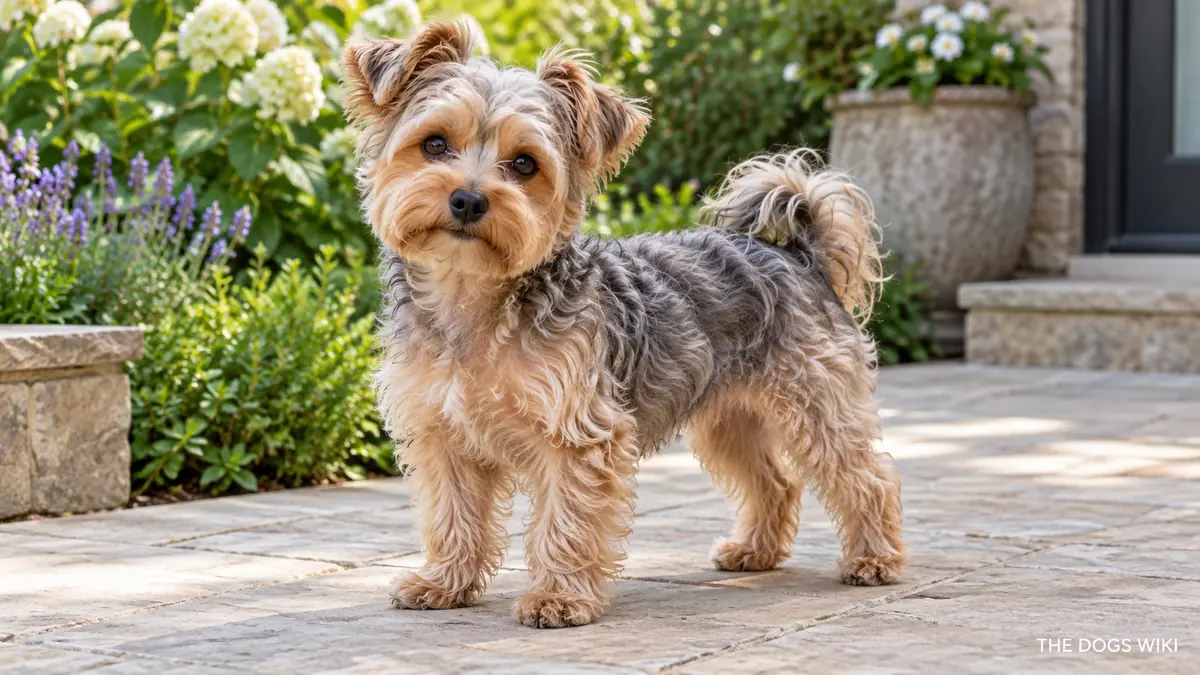
A Puggle is a cross between a Pug and a Beagle, first deliberately developed in the United States in the 1980s, with Wisconsin breeder Wallace Havens credited as the breed’s originator. Because the Puggle isn’t an AKC-recognized breed and has no fixed breed standard, its appearance and temperament are best understood as a genuine blend of its two well-documented parent breeds. Puggles typically resemble a slightly larger Pug with longer ears, a longer muzzle, fewer wrinkles, and a Beagle-like curved tail.
The American Kennel Club does not register the Puggle as a breed, so there is no official Puggle standard; its parent breeds are described in the AKC’s “Official Standard of the Pug”, approved April 8, 2008, and the AKC’s “Official Standard for the Beagle”, approved May 10, 2024.
What Is a Puggle’s Temperament Like?
A Puggle’s temperament is playful, curious, and genuinely affectionate, drawing on the Pug’s loving nature and the Beagle’s inquisitive, adventurous spirit. Puggles are comical and eager for attention, making them excellent family companions that form strong bonds with children. The cross can also inherit some less convenient traits from both sides, including the Beagle’s tendency to wander and howl and a stubborn streak common to both parent breeds.
How Big Do Puggles Get?
Puggles are a small to medium breed, weighing 14 to 30 pounds and standing 10 to 15 inches tall, depending on which traits an individual dog inherits most strongly from each parent. Coat colors commonly include black, tan, white, and fawn, and Puggles tend to have expressive, appealing faces that combine features from both the Pug and Beagle.
How Long Do Puggles Live?
Puggles live 10 to 15 years, a reflection of both parent breeds’ similar lifespans, and the cross is considered a somewhat healthier alternative to the purebred Pug specifically. Regular veterinary care supports a full lifespan for this hardy cross.
What Health Problems Are Puggles Prone To?
Because a Puggle inherits traits from both parent breeds, it can be prone to health conditions documented in either the Pug or the Beagle.
- Hip dysplasia. A joint condition documented in both parent breeds, in which the hip joint develops abnormally, potentially causing arthritis.
- Brachycephalic-related breathing and heat-regulation issues. Puggles often inherit some degree of the Pug’s shortened muzzle, which can cause breathing difficulty and make heat regulation harder, though typically to a lesser degree than a purebred Pug.
- Eye conditions. A recognized concern inherited primarily from the Pug side, worth monitoring with regular cleaning and veterinary eye checks.
- Epilepsy. A neurological seizure disorder documented in the breed; any suspected seizure calls for prompt veterinary attention.
- Separation anxiety. Not a physical condition, but a genuine behavioral tendency in this cross, which craves closeness with its family and doesn’t handle being left alone well.
How Do You Groom a Puggle?
Puggles have a short coat that’s genuinely low-maintenance to groom, needing only occasional brushing to remove loose hair. Given the breed’s tendency to run hot quickly and drink water fast during walks, keeping fresh water available matters as much as coat care during warmer weather.
How Much Exercise Does a Puggle Need?
A Puggle needs roughly 30 to 60 minutes of daily exercise, walks and playtime, and given the breed’s prey drive inherited from the Beagle side, secure fencing or a leash during walks matters to prevent wandering off after an interesting scent. Under-exercised Puggles are prone to becoming bored and destructive.
Are Puggles Easy to Train?
Puggles are moderately trainable, though the cross can inherit a genuine stubborn streak from both the Pug and Beagle sides of its parentage. Consistent, patient, positive training that starts early in puppyhood helps manage this tendency, and early socialization also matters for a well-rounded adult temperament.
What Should You Feed a Puggle?
A Puggle does well on a formula suited to its size and activity level, and because both parent breeds are genuinely prone to weight gain, measured portions matter more for this cross than for a naturally leaner breed. A veterinarian can help set an appropriate feeding plan.
What Are the Pros and Cons of Owning a Puggle?
Here are the main advantages of owning a Puggle.
- Playful, affectionate, genuinely family-friendly temperament
- Fewer brachycephalic breathing issues than a purebred Pug
- Low-maintenance short coat
- Adaptable to various living environments given compact size
Here are the main drawbacks of owning a Puggle.
- Prone to separation anxiety, doesn’t handle being alone well
- Can inherit a stubborn streak from both parent breeds
- Strong prey drive and tendency to wander given Beagle heritage
- Genuinely prone to weight gain if overfed
Puggle-specific rescue organizations and general shelters both place adult dogs regularly, worth a look for anyone drawn to this cross but not set on a breeder search.
What Else Do People Ask About the Puggle?
The questions below cover how much a Puggle costs, whether Puggles are good family dogs, whether Puggles have fewer health problems than Pugs, and why Puggles wander or howl.
How much does a Puggle cost?
Puggle prices vary by region and breeder reputation, and a puppy from a breeder who health-tests for hip and eye conditions in both parent breeds typically costs more than one that doesn’t. Adopting an adult Puggle through a rescue is usually a lower-cost alternative.
Are Puggles good family dogs?
Yes, Puggles are widely regarded as excellent family companions, known for a patient, gentle demeanor and a genuine ability to form strong bonds with children. Their compact size and adaptable nature make them a good fit for apartments, suburban homes, and rural settings alike.
Do Puggles have fewer health problems than Pugs?
Puggles are generally considered a healthier alternative to purebred Pugs, largely because inheriting the Beagle’s longer muzzle typically means less severe brachycephalic breathing difficulty than a purebred Pug experiences. That said, Puggles can still inherit some breathing and heat-sensitivity issues to a lesser degree, along with other conditions documented in either parent breed.
Why do Puggles wander or howl?
Puggles can inherit the Beagle’s strong scent drive and tendency to wander after an interesting smell, along with the breed’s characteristic howling and baying, both instincts rooted deeply in the Beagle’s history as a scent hound. Secure fencing and consistent recall training help manage this tendency, though it typically won’t disappear entirely.
Related Guides
More guides on The Dogs Wiki cover behavior, health, grooming, training, nutrition, and adoption.
| Guide |
|---|
| Behavior |
| Health |
| Grooming |
| Training |
| Nutrition |
| Adoption |