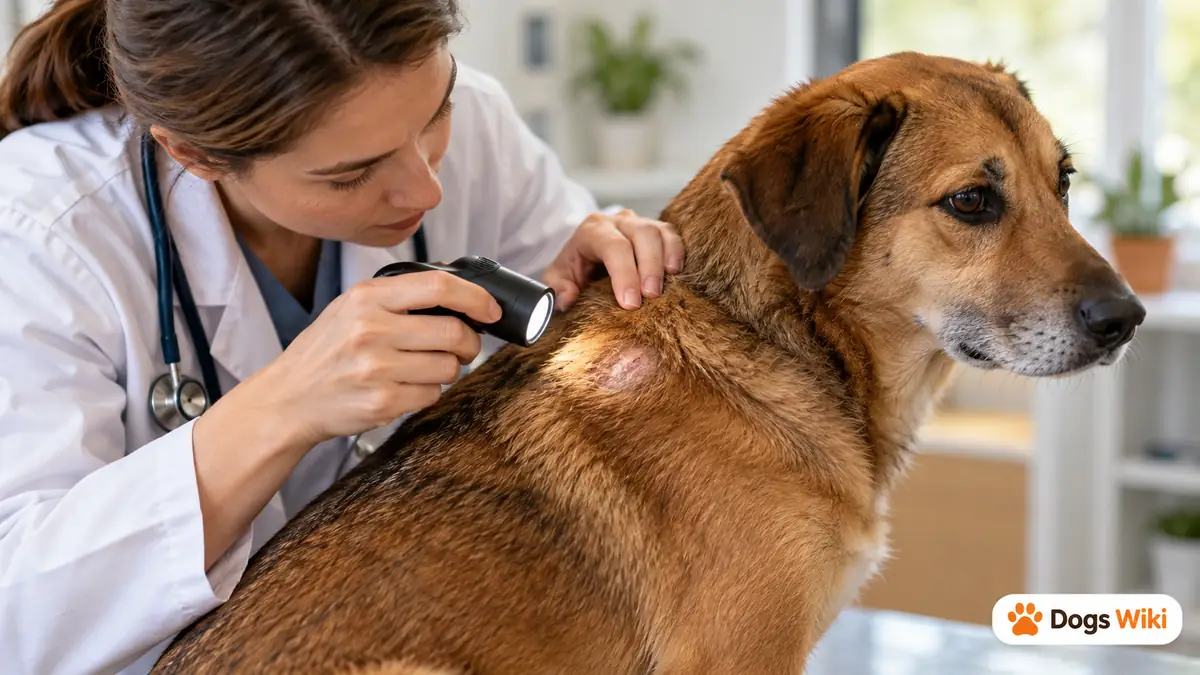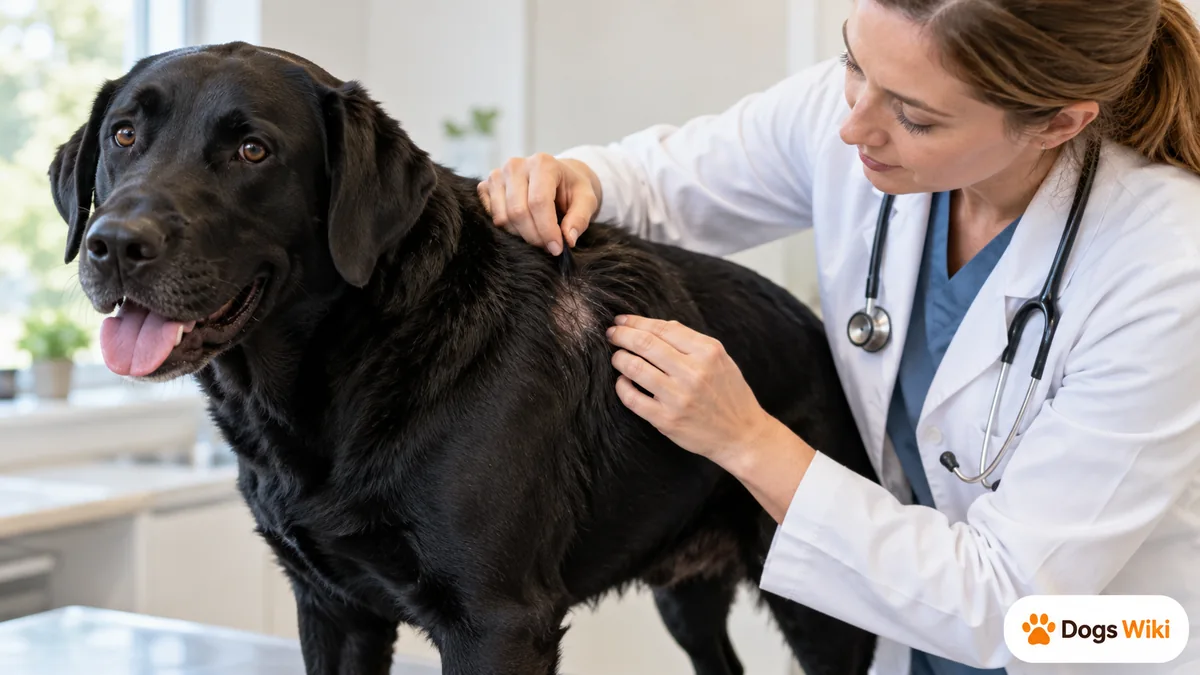
Hair loss in dogs, medically called alopecia, ranges from a normal seasonal shed to a sign of an underlying parasitic, hormonal, or allergic condition, with the pattern and location of the hair loss often pointing toward the actual cause.
Because so many different conditions can produce hair loss as a symptom, this topic overlaps closely with several others in this section, including mange and ringworm, both of which are common specific causes. This guide covers what causes hair loss, its symptoms, how it’s diagnosed, how it’s treated, whether it can be prevented, and when to see a veterinarian.
This guide covers what hair loss is, what causes it in dogs, its symptoms, how it’s diagnosed, how it’s treated, whether it can be prevented, when to see a vet, and what else people ask.
What Is Hair Loss (Alopecia) in Dogs?
Alopecia describes any loss of hair beyond what’s normal for a dog’s breed and shedding cycle, ranging from thinning in a specific area to complete baldness across larger patches of the body. Some hair loss is entirely normal, including seasonal shedding in double-coated breeds, while other hair loss signals an underlying medical problem. The pattern, whether symmetrical, localized to one spot, or widespread, along with whether the skin itself looks irritated, helps narrow down the likely cause.
What Causes Hair Loss in Dogs?
Parasitic causes, including mange and fleas, and fungal causes, including ringworm, are among the most common reasons for patchy, often itchy hair loss. Hormonal conditions, including hypothyroidism and Cushing’s disease, typically cause a more symmetrical pattern of hair loss without significant itching, often alongside other symptoms like weight changes or increased thirst. Allergies, chronic licking from anxiety or boredom, and certain breed-specific genetic conditions round out the other major categories behind hair loss in dogs.
What Are the Symptoms of Hair Loss in Dogs?
The hair loss itself is the primary visible symptom, but accompanying signs, including itching, skin redness, or changes in skin texture, provide important clues about the underlying cause. Hormonal causes often produce hair loss without itching, sometimes alongside a darkening of the skin, while parasitic or allergic causes typically come with noticeable itching and skin irritation. The specific location, whether it’s symmetrical on both sides of the body, concentrated around the face and paws, or appearing as isolated patches, also varies meaningfully by underlying cause.
How Is Hair Loss Diagnosed in Dogs?
A veterinarian diagnosing hair loss starts with a physical exam assessing the pattern, location, and condition of the skin underneath, which often narrows down the likely category of cause considerably. A skin scraping or fungal culture can identify mites or ringworm, while bloodwork helps diagnose hormonal causes, including hypothyroidism and Cushing’s disease. For hair loss without an obvious cause after initial testing, a skin biopsy sometimes provides a more definitive answer.
How Is Hair Loss Treated in Dogs?
Treatment for hair loss depends entirely on its underlying cause, ranging from mite-killing medication for mange to thyroid hormone replacement for hypothyroidism to dietary and medication management for allergies. Hair typically regrows once the underlying cause is properly treated, though the regrowth timeline varies considerably depending on the specific condition and how long it went untreated. Hair loss driven by chronic licking from anxiety or boredom benefits from addressing the underlying behavioral cause alongside any skin-directed treatment.
Can Hair Loss Be Prevented in Dogs?
Prevention depends on the underlying cause, since consistent parasite prevention addresses mange and flea-related hair loss, while hormonal causes generally aren’t preventable in the same direct sense. Managing known allergies and providing adequate mental and physical stimulation to reduce anxiety-driven licking both help prevent hair loss tied to those specific causes. Regular grooming and prompt attention to any new skin changes help catch a developing cause early, before hair loss becomes extensive.
When Should You See a Vet for Hair Loss in Dogs?
See a veterinarian if hair loss appears suddenly, spreads, or is accompanied by itching, skin changes, or other symptoms like weight gain or increased thirst, since these patterns point toward an underlying condition needing diagnosis. Symmetrical hair loss without itching, in particular, warrants veterinary attention given its common association with hormonal conditions that need bloodwork to diagnose. Hair loss in a puppy, even if it appears minor, benefits from a veterinary opinion to rule out early mange or another condition needing prompt attention.
What Else Do People Ask About Hair Loss (Alopecia) in Dogs?
The questions below cover whether hair loss always means a dog is sick, whether it’s reversible, which breeds are more prone to genetic hair loss conditions, and whether stress can cause it.
Does hair loss always mean a dog is sick?
No, hair loss doesn’t always indicate illness, since normal seasonal shedding, especially in double-coated breeds, can look like significant hair loss without any underlying health problem. Hair loss that’s patchy, itchy, or accompanied by other symptoms is more likely to signal an actual medical issue needing attention.
Is hair loss reversible in dogs?
Yes, hair loss is reversible in most cases once the underlying cause is properly identified and treated, with hair typically regrowing over a period of weeks to months. Some genetic or chronic hormonal conditions may result in a permanently thinner coat even with treatment, though this varies by individual case.
Which dog breeds are prone to genetic hair loss conditions?
Yes, certain breeds, including the Doberman Pinscher and Dachshund, are prone to a genetic condition called color dilution alopecia that affects specific coat colors. Breeds with naturally sparse coats, including some hairless breeds, have hair loss as a normal breed trait rather than a medical concern.
Can stress cause hair loss in dogs?
Yes, chronic anxiety or stress can lead to hair loss through excessive licking or chewing at a specific area, a behavior sometimes called a lick granuloma when it becomes a persistent, localized habit. Addressing the underlying anxiety, alongside any skin-directed treatment, is usually necessary to resolve this type of hair loss.
Related Guides
More guides on The Dogs Wiki cover general dog health and grooming.
| Guide |
|---|
| Dog Health |