
Home → Dog Breeds → Breed by Trait / Filter → Hypoallergenic Dog Breeds
Hypoallergenic Dog Breeds: The Science of Coat and Allergens
Hypoallergenic dog breeds have low-shedding coats that spread less dander, such as the Poodle, Bichon Frise, Maltese, Yorkshire Terrier, and Havanese, though no dog is completely allergen-free.
Dog allergens come primarily from proteins in saliva, urine, and dander, the tiny flakes of skin all dogs shed, not from hair itself, which is why the term “hypoallergenic” is genuinely more about coat type than any dog being allergen-free. This page covers what makes a dog breed hypoallergenic, which hypoallergenic breeds shed the least dander, the limits of hypoallergenic dog breeds, and what else people ask.
What Makes a Dog Breed Hypoallergenic?
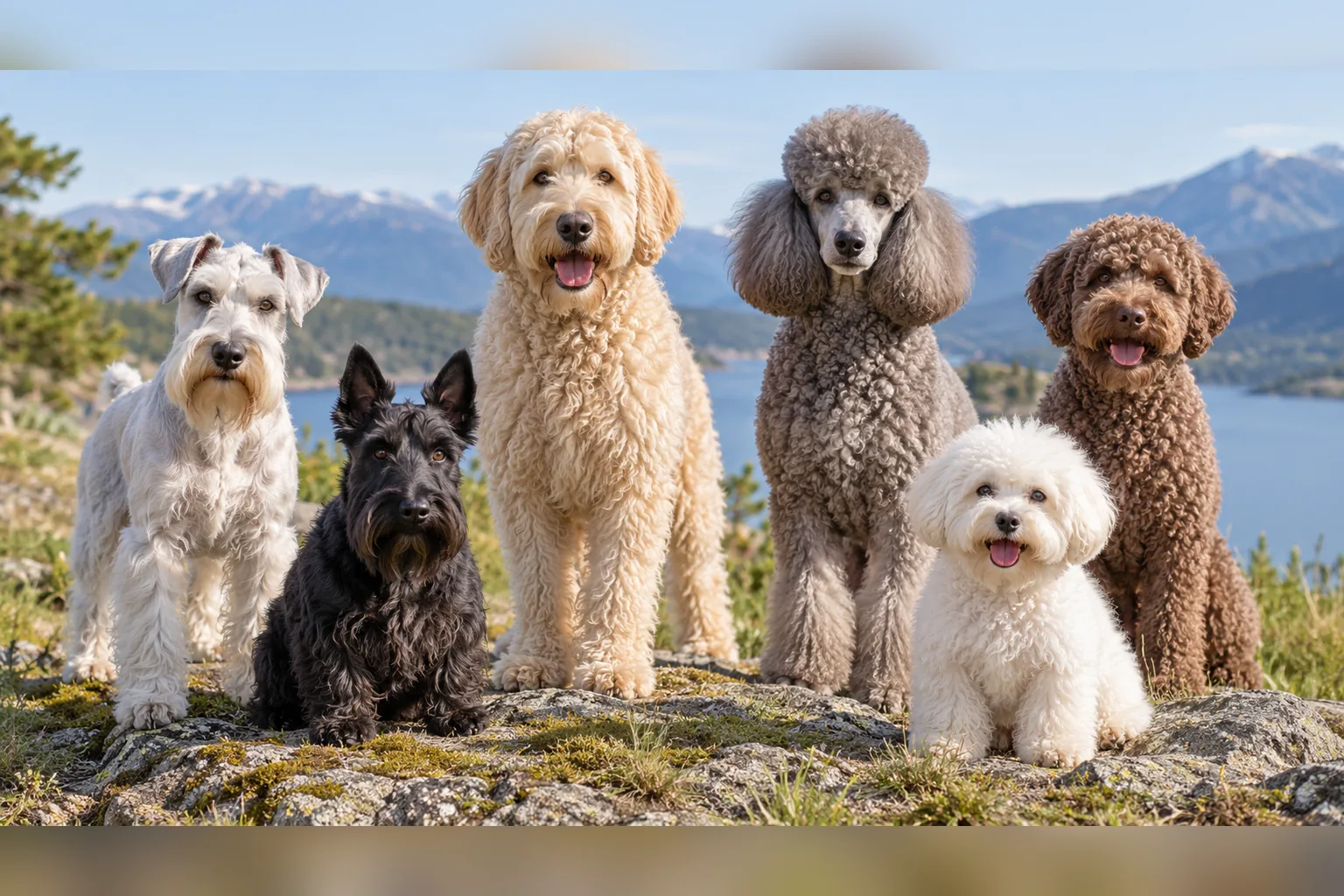
Curly or continuously growing coats, like a Poodle’s, trap loose hair and dander close to the skin rather than releasing it into the air, which is the actual mechanism behind reduced allergic reactions. Single-layer coats without a dense undercoat also shed less dander overall than heavy double coats.
Breed details on this list follow each breed’s American Kennel Club profile, for example the AKC’s “Official Standard of the Poodle”, approved August 14, 1984, and the AKC Bichon Frise breed page, retrieved September 2026.
Which Hypoallergenic Dog Breeds Shed the Least Dander?
| Breed | Why it fits |
|---|---|
| Poodle | The clearest example of the curly-coat mechanism at work, trapping loose hair rather than releasing it. |
| Bichon Frise | A continuously growing, curly coat that functions similarly to the Poodle’s in trapping dander. |
| Maltese | A single-layer coat with no undercoat, reducing the volume of dander shed compared to double-coated breeds. |
| Yorkshire Terrier | A coat that behaves more like human hair, growing continuously rather than shedding in cycles. |
| Havanese | A low-shedding double coat that still traps more dander than it releases. |
What Are the Limits of Hypoallergenic Dog Breeds?
Trait alone doesn’t determine whether a breed fits your household; temperament, exercise needs, and grooming demands still matter alongside this specific characteristic. Use this list to filter your search, then dig into each breed’s full profile before deciding.
What Else Do People Ask About the Hypoallergenic Dog Breeds?
The questions below cover whether hypoallergenic dog breeds with curly coats can still trigger allergies, which is more common, curly coats or hypoallergenic claims, and whether hypoallergenic dog breeds help with saliva allergies too.
Can hypoallergenic dog breeds with curly coats still trigger allergies?
Yes, since saliva and urine proteins also cause allergic reactions in sensitive people, a curly-coated dog can still trigger a reaction even with minimal loose hair, which is why no breed is ever fully allergen-free.
Which is more common, curly coats or hypoallergenic claims?
Genuinely low-allergen coat types are less common overall among dog breeds than marketing claims suggest; only a handful of coat structures, mainly curly and continuously-growing types, reduce allergen exposure meaningfully.
Do hypoallergenic dog breeds help with saliva allergies too?
Neither is more serious than the other; reaction severity depends entirely on individual sensitivity, and some people react more to saliva-based allergens picked up through licking than to airborne dander.
Leave a Reply