

Home → Dog Breeds → Sporting Group → Labrador Retriever
A Labrador Retriever is a medium to large Sporting Group breed originally developed in Newfoundland, Canada, to help fishermen haul nets and retrieve fish that slipped the line, before being refined in England into the adaptable gun dog known today.
That working background is still visible in the breed’s build, its love of water, and a temperament that made it the most registered dog breed in the United States for 31 years running. This guide covers where the breed originated, its temperament, how big Labrador Retrievers get, how long they live, the health problems they are prone to, grooming, how much exercise they need, how easy they are to train, what to feed them, the pros and cons of owning one, and what else people ask.
What Is a Labrador Retriever and Where Did the Breed Originate?
A Labrador Retriever belongs to the American Kennel Club’s Sporting Group, the category of gun dogs bred to locate, flush, or retrieve game. Despite the name, the breed didn’t originate in Labrador, Canada, but in nearby Newfoundland, where local fishermen used an earlier version of the dog to retrieve fish and haul nets through icy water. English sportsmen later imported the breed and refined it into the retriever used in hunting and field trials today. That fishing and retrieving heritage explains the Labrador’s water-loving nature, its thick otter-like tail used for swimming, and its enduring drive to carry things in its mouth. From 1991 through 2021 the Labrador Retriever held the AKC’s number one spot for most registered breed, a 31-year run no other breed has matched, before the French Bulldog overtook it in 2022.
The American Kennel Club defines the breed in its “Official Standard for the Labrador Retriever”, approved February 12, 1994, which sets out the size, coat, and temperament a Labrador Retriever should have. As of September 2026, the AKC ranks the Labrador Retriever 2nd of 210 breeds in popularity.
What Is the Difference Between Field and Show Labrador Retrievers?
Two broad types exist within the one breed. Show, or bench, Labradors are bred mainly for the conformation ring: they carry a heavier frame, a broader head, a thicker coat, and a calmer manner at home. Field Labradors come from hunting and field-trial lines and are leaner, longer in the leg, and noticeably more driven. Both types are registered as the same breed and judged against the same standard. For a family pet, the question worth asking a breeder is how much daily work the parents need to stay settled.
What Is a Labrador Retriever’s Temperament Like?
A Labrador Retriever’s temperament is friendly, outgoing, and eager to please, which is the core reason it was America’s most popular breed for so long. The standard calls for “a kindly, outgoing, tractable nature,” and it treats aggression toward people or animals as a serious fault. Labradors are welcoming toward strangers, good-natured with other dogs, and highly food and toy motivated, all traits that trace back to a working history that rewarded a dog for wanting to work closely and enthusiastically with its handler. In a family setting, this translates into a dog that’s easygoing with children and adaptable to a busy household, though that same enthusiasm means Labradors stay puppyish and high-energy well into adulthood.
Is a Labrador Retriever a Good Guard Dog?
No. A Labrador will bark when someone arrives, which makes it a fair watchdog, but most greet visitors with a wagging tail and a toy in the mouth. Protection work runs against the temperament the breed was built on. Owners who want a deterrent get the bark and little else, and that suits most households well.
How Big Do Labrador Retrievers Get?
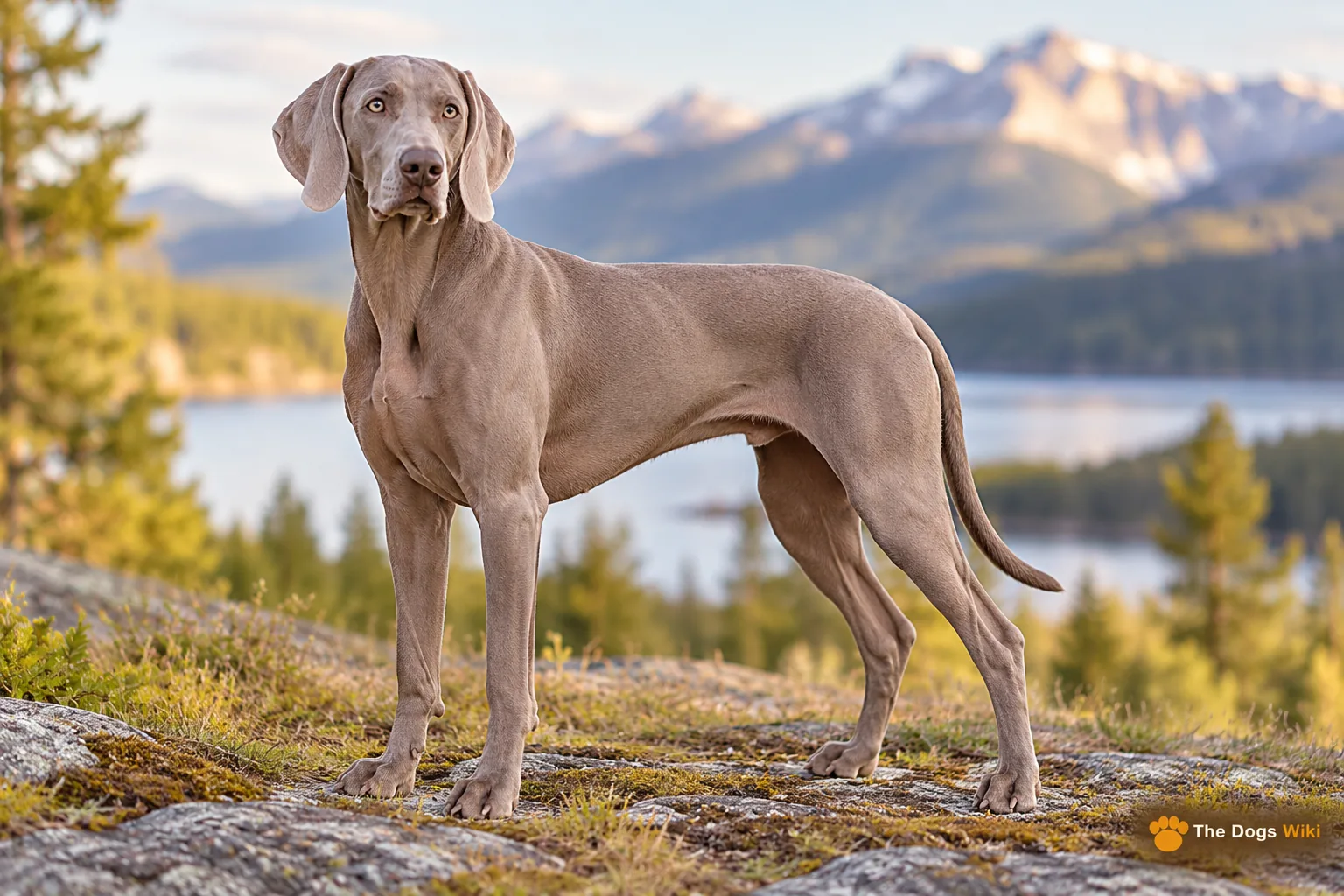
Labrador Retrievers are a medium to large, solidly built breed with a short, dense double coat and a distinctive thick “otter” tail that helps them swim. Labradors come in three recognized coat colors, black, yellow, and chocolate, all considered equally correct by the breed standard. Yellow runs from fox-red to light cream, and chocolate from light to dark. Silver, charcoal, and champagne coats are not listed in the standard.
What Is the Average Labrador Retriever Height and Weight?
| Measure | American Kennel Club figure |
|---|---|
| Height | 22.5-24.5 inches (male), 21.5-23.5 inches (female) |
| Weight | 65-80 pounds (male), 55-70 pounds (female) |
| Life expectancy | 11-13 years |
Figures are from the American Kennel Club Labrador Retriever breed profile, retrieved September 2026.
How Long Do Labrador Retrievers Live?
Labrador Retrievers live 11 to 13 years. A 2018 UK study of more than 33,000 Labradors found that chocolate dogs lived a median of about 10.7 years, compared with roughly 12.1 years for black and yellow dogs, a gap researchers linked to the narrower breeding lines that produce the chocolate coat. Keeping a Labrador at a healthy weight throughout its life is among the most effective things an owner can do to support a full lifespan, since obesity compounds several of the breed’s most common health issues.
What Health Problems Are Labrador Retrievers Prone To?
Labrador Retrievers are a sturdy breed, but they’re documented as being at higher risk for the following conditions.
What Is Hip and Elbow Dysplasia in Labrador Retrievers?
Hip and elbow dysplasia are inherited malformations of the joints that let the bones grind instead of gliding. Over time the damage turns into arthritis. Stiffness after rest, bunny-hopping on the back legs, and a limp that comes and goes are the common signs. Orthopedic Foundation for Animals certification of both parents is standard practice among reputable breeders, and a lean body weight during growth lowers the load on developing joints.
What Is Exercise-Induced Collapse in Labrador Retrievers?
Exercise-induced collapse is a genetic condition, caused by a mutation in the DNM1 gene, in which an otherwise fit dog loses control of its hind legs after five to twenty minutes of intense, high-excitement exercise. The dog stays awake and aware, and recovers within about half an hour. Dogs need two copies of the mutation to be affected, so a DNA test of both parents rules it out. Affected dogs live normal lives when owners avoid the high-excitement activity that triggers an episode.
What Is Progressive Retinal Atrophy in Labrador Retrievers?
Progressive retinal atrophy is an inherited breakdown of the light-sensing cells in the retina. Night blindness appears first, followed by a gradual loss of daytime vision. There is no treatment. The form seen in Labradors, known as prcd-PRA, has a DNA test, and pairing tested parents prevents affected puppies.
Why Is Obesity a Problem in Labrador Retrievers?
Obesity is the most common preventable problem in the breed. A 2016 study, “A Deletion in the Canine POMC Gene Is Associated with Weight and Appetite in Obesity-Prone Labrador Retriever Dogs,” found that about a quarter of pet Labradors carry a gene variant that weakens the signal telling the brain the dog is full. Carriers beg more and gain weight more easily. Extra weight speeds up arthritis and shortens life.
Why Do Labrador Retrievers Get Ear Infections?
Floppy ears combined with a strong love of swimming trap moisture in the ear canal, raising infection risk. Head shaking, scratching, redness, and a yeasty smell are the signs to watch. Drying the ears after every swim and bath, and using a vet-approved ear cleaner, keeps most infections away.
Which Health Tests Should a Labrador Retriever Breeder Provide?
Before buying a puppy, ask to see hip and elbow results from the Orthopedic Foundation for Animals, a current eye examination by a veterinary ophthalmologist, and DNA results for exercise-induced collapse and prcd-PRA on both parents. Results can be checked on the OFA website by the dog’s registered name. Breeders who test will show the paperwork without being asked twice.
How Do You Groom a Labrador Retriever?
Labrador Retrievers have a short, dense, water-repellent double coat that sheds heavily despite its length, and weekly brushing is enough to manage it during most of the year. Expect shedding to increase noticeably during the breed’s seasonal coat blowouts, when more frequent brushing keeps loose hair off furniture and floors. Natural oils in the coat repel water and dirt, so avoid over-bathing, which can strip those oils and dry out the skin. Because Labradors love water and have floppy ears, drying the ears after swimming or bathing is an important part of the routine, along with regular nail trims.
| Grooming task | How often |
|---|---|
| Brush with a slicker brush or deshedding tool | Weekly, daily during a coat blow |
| Dry and check the ears | After every swim or bath |
| Trim nails | Every 3 to 4 weeks |
| Brush teeth | Daily, or at least three times a week |
| Bath | Every 1 to 3 months, or after a muddy outing |
How Much Exercise Does a Labrador Retriever Need?
A Labrador Retriever needs at least an hour of exercise a day, and many younger dogs do better with more. This is a breed built for a full day of retrieving work in the field, and that stamina doesn’t fade just because the dog’s job today is being a family pet. Swimming and retrieving games are a good match given the breed’s history, and a mix of walks, off-leash play, and training sessions meets both the physical and mental sides of a Labrador’s exercise needs. An under-exercised Labrador is more prone to weight gain and to destructive habits born of boredom.
How Much Exercise Does a Labrador Retriever Puppy Need?
Puppies need short bursts of free play rather than long runs. Large-breed growth plates stay open until around 12 to 18 months, so jogging on pavement, repeated jumping, and long ball-throwing sessions are best postponed until a vet confirms the skeleton has matured. Swimming is a low-impact outlet at any age. Older Labradors with stiff joints keep moving better on two moderate walks than on one long one.
Are Labrador Retrievers Easy to Train?
Yes, Labrador Retrievers are among the easiest breeds to train, a reputation earned through decades of use as guide dogs, service dogs, and detection dogs in fields like search and rescue and explosives detection. Their combination of intelligence, eagerness to please, and strong food motivation makes positive reinforcement training effective, faster than with less food-driven breeds. That same food motivation is a mixed blessing though, since it also makes portion control during training sessions something owners need to actively manage.
What Training Problems Are Common in Labrador Retrievers?
Jumping up on people, pulling on the leash, and mouthing are the three habits owners most want to fix. All three come from enthusiasm rather than defiance. Rewarding four paws on the floor, stopping every time the leash goes tight, and handing a puppy a toy to carry when greeting guests turn the retrieving instinct into manners. Chewing peaks in the first two years, so a supply of durable chew toys saves shoes and furniture.
What Should You Feed a Labrador Retriever?
Labrador Retrievers are prone to overeating and weight gain, driven by a documented genetic predisposition toward food-seeking behavior, which makes measured feeding and disciplined treat use more important for this breed than for most others. A large-breed formula suited to the dog’s age and activity level is a reasonable starting point, and tracking body condition regularly, rather than relying on the bag’s suggested serving size alone, catches weight creep before it becomes a problem.
Does Keeping a Labrador Retriever Lean Help It Live Longer?
Yes. In a lifetime feeding study published in 2002, Labradors fed 25 percent less than their littermates stayed leaner and lived a median of about 13 years, nearly two years longer than the littermates fed more, and they developed arthritis later. You should be able to feel each rib without pressing. Puppies eat three meals a day on a large-breed puppy food, which limits calcium and calories during growth, and move to two meals by six months.
What Are the Pros and Cons of Owning a Labrador Retriever?
Here are the main advantages and drawbacks of owning a Labrador Retriever, side by side.
| Pros | Cons |
|---|---|
| Friendly, adaptable temperament that suits most household types | Sheds heavily despite a short coat |
| Unusually trainable, in particular with positive reinforcement methods | Genetically prone to overeating and weight gain |
| High food and toy motivation makes obedience and trick training easier | Needs at least an hour of exercise daily |
| Well suited to active owners, those who enjoy water activities | Orthopedic issues like hip and elbow dysplasia are a documented breed concern |
Anyone drawn to the breed’s temperament who would rather skip the breeder search can adopt a Labrador through a rescue, which is realistic given how common the breed is, and it means an adult dog whose temperament and energy level are already known.
What Else Do People Ask About the Labrador Retriever?
The questions below cover the price of a Labrador Retriever, whether a family home is a good fit for one, why Labradors are so food motivated, and the difference between the Labrador and the Golden Retriever.
What is the price of a Labrador Retriever?
A Labrador Retriever puppy from a breeder who health-tests for hip, elbow, and eye conditions, and screens for exercise-induced collapse, costs more than one from a breeder who skips that testing, and prices vary by region and breeder reputation. Adopting an adult Labrador through a rescue organization is far less expensive and comes with a known adult temperament.
Is a family home a good fit for a Labrador Retriever?
Yes, Labrador Retrievers are widely considered one of the best family dog breeds, supported by a friendly, adaptable temperament and a strong track record as guide and service dogs, roles that require reliable, even-tempered behavior around all kinds of people. As with any breed, supervision around young children is still recommended, mostly because a bouncing adolescent Lab can knock over a toddler.
Why are Labradors so food motivated?
Labradors carry a documented genetic mutation affecting the POMC gene, which disrupts the normal signal that tells the brain a dog is full, making the breed more prone to seeking out food and overeating than most others. This trait makes Labradors highly responsive to food-based training, but it also means owners need to actively manage portions and treats to prevent obesity.
What Is the Difference Between the Labrador and the Golden Retriever?
Labrador Retrievers and Golden Retrievers are both friendly, highly trainable Sporting Group breeds, but they differ most noticeably in coat. Labradors have a short, dense coat that sheds heavily but needs less brushing, while Golden Retrievers have a longer, feathered coat that requires more grooming. The Lab is also somewhat more food-motivated, while Golden Retrievers carry a higher documented cancer risk.
Related Guides
More guides on The Dogs Wiki cover behavior, grooming, training, nutrition, and adoption.
| Guide |
|---|
| Behavior |
| Grooming |
| Training |
| Nutrition |
| Adoption |


Comments
5 responses to “Labrador Retriever: Breed Profile, Temperament, Health, and Care Guide”
[…] Labrador Retriever […]
[…] Labrador Retriever […]
[…] Labrador Retriever […]
[…] Labrador Retriever […]
[…] Labrador Retriever […]