
Home → Dog Breeds → Herding Group → Lancashire Heeler
A Lancashire Heeler is a small Herding Group breed from West Lancashire, England.
Butchers used it to drive cattle to market and root out rats. The AKC joined the Herding Group in 2024, though the breed dates back to the 1600s. This guide covers where the breed originated, its temperament, how big Lancashire Heelers get, how long they live, the health problems they are prone to, grooming, how much exercise they need, how easy they are to train, what to feed them, the pros and cons of owning one, and what else people ask.
What Is a Lancashire Heeler and Where Did the Breed Originate?
A Lancashire Heeler belongs to the AKC’s Herding Group. The breed’s hazy origin story dates to the 1600s, described in its standard as descending from butchers’ dogs that drove cattle to markets in West Lancashire, England. Often mistaken for a small Corgi or Manchester Terrier, the Lancashire Heeler is genuinely a separate breed. The UK’s Kennel Club recognized it in 1981, and the AKC welcomed it into the Herding Group in 2024.
As of September 2026, the AKC ranks the Lancashire Heeler 189th of 210 breeds in popularity.
What Is a Lancashire Heeler’s Temperament Like?
A Lancashire Heeler’s temperament is intelligent, alert, and genuinely affectionate, though not exactly a lap dog despite its small size. The breed enjoys people of all ages and other animals, but given its compact frame, supervision matters around young children and larger dogs. Heelers need a real job to stay happy, still carrying their working herding and ratting instincts.
How Big Do Lancashire Heelers Get?
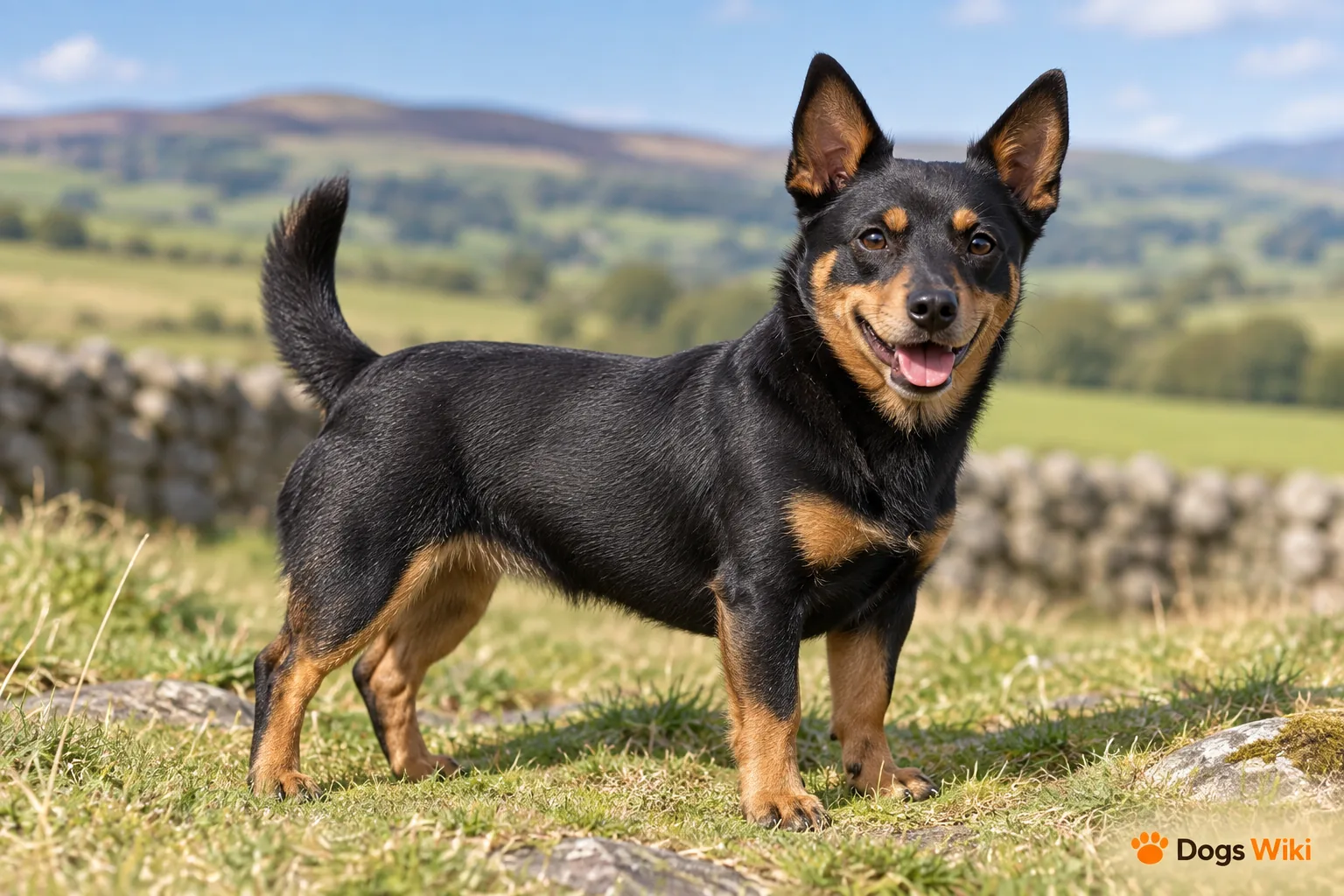
Lancashire Heelers are a small, sturdy, short-legged breed, slightly longer than tall, with a dense double coat in black and tan or liver and tan. A small white chest blaze is sometimes present.
What Is the Average Lancashire Heeler Height and Weight?
| Measure | American Kennel Club figure |
|---|---|
| Height | 10-12 inches |
| Weight | 9-17 pounds |
| Life expectancy | 12-15 years |
Figures are from the American Kennel Club Lancashire Heeler breed profile, retrieved September 2026.
How Long Do Lancashire Heelers Live?
Lancashire Heelers live 12 to 15 years, with some individuals reaching 15 or beyond, reflecting the breed’s real resilience. Regular veterinary care supports a full life.
What Health Problems Are Lancashire Heelers Prone To?
Lancashire Heelers are documented as being at higher risk for the following conditions.
- Primary lens luxation. An eye condition in which the lens shifts out of its normal position, a genuine concern in the breed.
- Collie eye anomaly. An inherited eye condition affecting the retina, choroid, and sclera.
- Patellar luxation. A common small-breed condition in which the kneecap shifts out of its normal position.
- Hip and elbow dysplasia. Joint conditions worth screening for despite the breed’s small size.
How Do You Groom a Lancashire Heeler?
Lancashire Heelers have a short, dense, weather-resistant coat that’s genuinely low-maintenance, needing only a light brushing or occasional bath. Nail trims matter more than most grooming tasks to prevent overgrowth, splitting, or cracking.
How Much Exercise Does a Lancashire Heeler Need?
A Lancashire Heeler needs medium to high daily activity, since it was bred to work alongside people and genuinely craves companionship alongside exercise. Daily walks, games, and canine sports satisfy this breed’s genuine need to stay busy.
Are Lancashire Heelers Easy to Train?
Lancashire Heelers can be intelligent, mischievous, and genuinely stubborn, making training a real project best suited to an experienced handler. Consistent, varied training that channels the breed’s herding instincts productively works well.
What Should You Feed a Lancashire Heeler?
A Lancashire Heeler does well on a high-quality, age-appropriate diet, with portions watched closely and treats limited, since the breed can gain weight easily.
What Are the Pros and Cons of Owning a Lancashire Heeler?
Here are the main advantages of owning a Lancashire Heeler.
- Intelligent, alert, genuinely affectionate temperament
- Long average lifespan for a small breed
- Low-maintenance short coat
- Athletic, does well at agility, obedience, and herding trials
Here are the main drawbacks of owning a Lancashire Heeler.
- Genuinely rare, making puppies hard to find
- Stubborn, best suited to an experienced handler
- Prone to weight gain if food isn’t monitored
- Needs medium to high daily exercise and a real job
Lancashire Heeler rescue organizations occasionally place adult dogs, worth a look for anyone drawn to this breed’s plucky charm but a breeder search isn’t easy given its rarity.
What Else Do People Ask About the Lancashire Heeler?
The questions below cover how much a Lancashire Heeler costs, whether Lancashire Heelers are good family dogs, the difference between the Lancashire Heeler and the Pembroke Welsh Corgi, and why the Lancashire Heeler is so rare.
How much does a Lancashire Heeler cost?
Prices vary given the breed’s genuine rarity, since it’s uncommon outside Northern England and rarely found outside the United Kingdom. A puppy from a health-tested breeder typically costs more than average.
Are Lancashire Heelers good family dogs?
Lancashire Heelers can be excellent family companions, enjoying people of all ages, though supervision matters around young children and larger dogs given the breed’s small, compact size.
What Is the Difference Between the Lancashire Heeler and the Pembroke Welsh Corgi?
Lancashire Heelers are commonly mistaken for small Corgis, but they’re a genuinely separate breed, smaller overall than the Pembroke Welsh Corgi and developed independently in England’s Lancashire region.
Why is the Lancashire Heeler so rare?
The breed’s numbers have historically stayed low, and it’s classified as an endangered breed by the UK’s Kennel Club, remaining uncommon outside Northern England despite its recent AKC recognition in 2024.
Related Guides
More guides on The Dogs Wiki cover behavior, health, grooming, training, nutrition, and adoption.
| Guide |
|---|
| Behavior |
| Health |
| Grooming |
| Training |
| Nutrition |
| Adoption |