A Russian Tsvetnaya Bolonka is a small Toy Group breed developed in 1950s Soviet Russia.
Breeders in Leningrad crossed Maltese, Bolognese, and Shih Tzu-type dogs to create the ultimate apartment lapdog. The name translates to “Russian Colored Lapdog.” The AKC fully recognized the breed in January 2026. This guide covers where the breed originated, its temperament, how big Russian Tsvetnaya Bolonkas get, how long they live, the health problems they are prone to, grooming, how much exercise they need, how easy they are to train, what to feed them, the pros and cons of owning one, and what else people ask.
What Is a Russian Tsvetnaya Bolonka and Where Did the Breed Originate?
A Russian Tsvetnaya Bolonka belongs to the AKC’s Toy Group. Soviet-era dog lovers in Leningrad developed the breed in the 1950s, drawing on ancestors of the Bichon Frise, Maltese, Bolognese, and Shih Tzu to create a purpose-built apartment companion. The breed spent 10 years in the AKC’s Foundation Stock Service before gaining full recognition in January 2026.
What Is a Russian Tsvetnaya Bolonka’s Temperament Like?
A Russian Tsvetnaya Bolonka’s temperament is sweet, loving, and genuinely intelligent. The breed shows no real sign of aggression and gets along well with children and other animals. Bolonki alert their owners to unfamiliar sounds readily, acting as unofficial watchdogs, though undesirable barking can be curbed with early training.
How Big Do Russian Tsvetnaya Bolonkas Get?
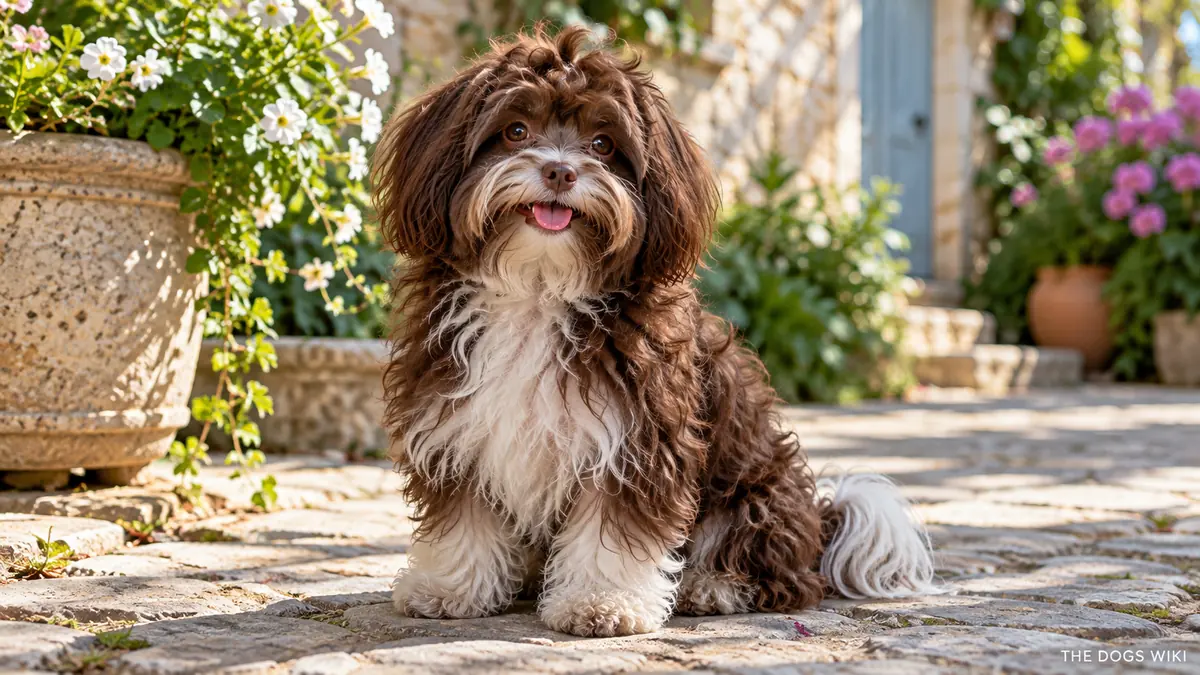
Russian Tsvetnaya Bolonkas are a small, sturdy breed, slightly longer than tall, with a dense, curly double coat and a distinctive beard and mustache. All colors are accepted except solid white.
What Is the Average Russian Tsvetnaya Bolonka Height and Weight?
| Measure | American Kennel Club figure |
|---|---|
| Height | 11 inches |
| Weight | 6 – 9 pounds |
| Life expectancy | 14-20 years |
Figures are from the American Kennel Club Russian Tsvetnaya Bolonka breed profile, retrieved September 2026.
How Long Do Russian Tsvetnaya Bolonkas Live?
Russian Tsvetnaya Bolonkas live 14 to 20 years. Regular veterinary care supports a full life for this healthy small breed.
What Health Problems Are Russian Tsvetnaya Bolonkas Prone To?
Russian Tsvetnaya Bolonkas are documented as being at higher risk for the following conditions.
- Luxating patella. A common small-breed condition in which the kneecap shifts out of its normal position.
- Hip dysplasia. A joint condition worth screening for with x-rays.
- Liver shunt. A congenital condition affecting blood flow to the liver, screened for with bile acid testing.
- Thyroid and heart conditions. Recognized concerns responsible breeders screen for as part of routine health testing.
- Eye conditions. The AKC and breed club recommend routine eye exams as part of standard preventive care.
The Russian Tsvetnaya Bolonka parent club sets out its recommended health screening in a breed health statement published by the American Kennel Club.
How Do You Groom a Russian Tsvetnaya Bolonka?
Russian Tsvetnaya Bolonkas have a long, curly coat that’s genuinely low-shedding but needs consistent, dedicated brushing to prevent tangles. Keeping the hair away from the eyes, often with a small ponytail or barrette, is a practical necessity for this breed’s flowing coat.
How Much Exercise Does a Russian Tsvetnaya Bolonka Need?
A Russian Tsvetnaya Bolonka is energetic and outgoing but also content to sit quietly on a lap for as long as allowed. This breed’s moderate exercise needs make it genuinely well suited to apartment living.
Are Russian Tsvetnaya Bolonkas Easy to Train?
Yes, generally. Russian Tsvetnaya Bolonkas are intelligent, outgoing, and willing to please. Gentle, firm, consistent training helps prevent small dog syndrome, a genuine risk given the breed’s small size and demanding personality.
What Should You Feed a Russian Tsvetnaya Bolonka?
A Russian Tsvetnaya Bolonka does well on a small-breed formula suited to its age and moderate activity level. A veterinarian can help set appropriate portions for this compact breed.
What Are the Pros and Cons of Owning a Russian Tsvetnaya Bolonka?
Here are the main advantages of owning a Russian Tsvetnaya Bolonka.
- Sweet, loving, genuinely intelligent temperament
- Low-shedding coat, good for allergy-sensitive households
- Well suited to apartment living
- Good with children and other pets
Here are the main drawbacks of owning a Russian Tsvetnaya Bolonka.
- Genuinely rare, making puppies hard to find and expensive
- High grooming commitment for the long, curly coat
- Prone to small dog syndrome without consistent training
- Hunting drive requires supervision around smaller animals
Russian Tsvetnaya Bolonka rescue organizations occasionally place adult dogs, worth a look for anyone drawn to this breed’s charm but a breeder search isn’t easy given its rarity.
What Else Do People Ask About the Russian Tsvetnaya Bolonka?
The questions below cover how much a Russian Tsvetnaya Bolonka costs, whether the Russian Tsvetnaya Bolonka is hypoallergenic, what does “Tsvetnaya Bolonka” mean, and when the Russian Tsvetnaya Bolonka was recognized by the AKC.
How much does a Russian Tsvetnaya Bolonka cost?
A Russian Tsvetnaya Bolonka costs around $3,000, reflecting the breed’s genuine rarity in the U.S. And a real waitlist given the breed’s newness to AKC recognition.
Is the Russian Tsvetnaya Bolonka hypoallergenic?
The breed is often considered hypoallergenic given its low-shedding hair rather than fur, which keeps dander to a minimum. No dog breed is allergen-free, so spending time with the breed first is worthwhile.
What does “Tsvetnaya Bolonka” mean?
The name translates to “Russian Colored Lapdog,” reflecting the breed’s origins as a purpose-built companion dog and its wide range of accepted coat colors, everything except solid white.
When was the Russian Tsvetnaya Bolonka recognized by the AKC?
The breed spent 10 years in the AKC’s Foundation Stock Service before gaining full American Kennel Club recognition in January 2026, making it one of the newest breeds on the AKC’s official list.
Related Guides
More guides on The Dogs Wiki cover behavior, health, grooming, training, nutrition, and adoption.
| Guide |
|---|
| Behavior |
| Health |
| Grooming |
| Training |
| Nutrition |
| Adoption |