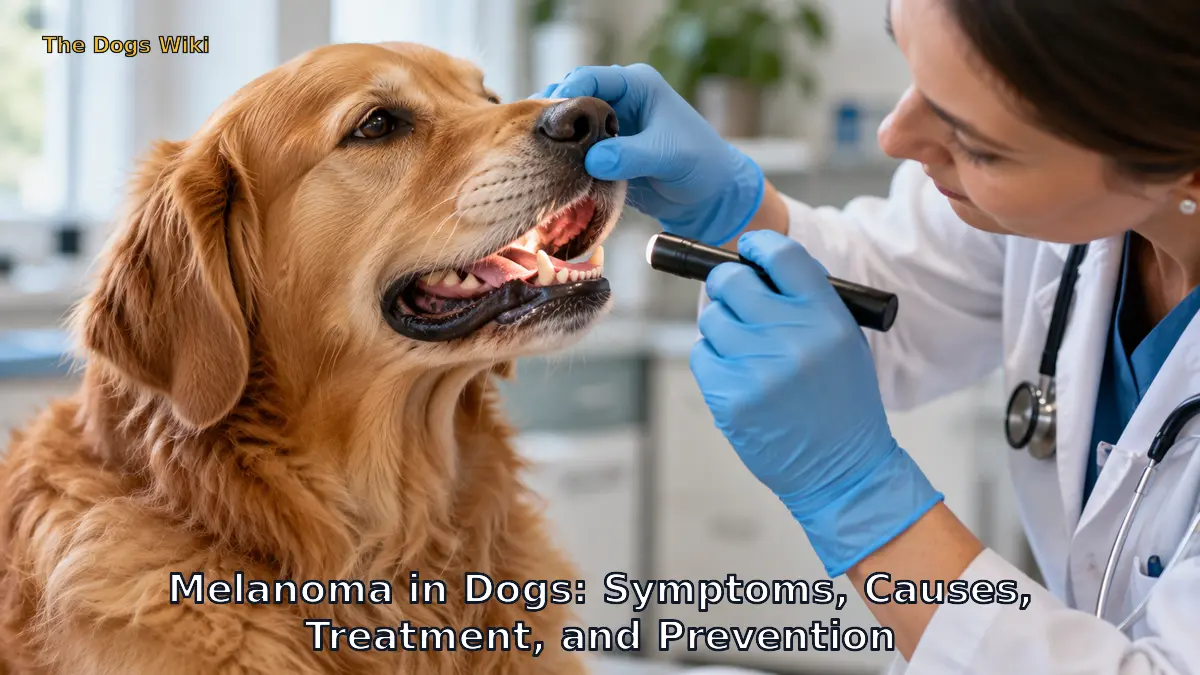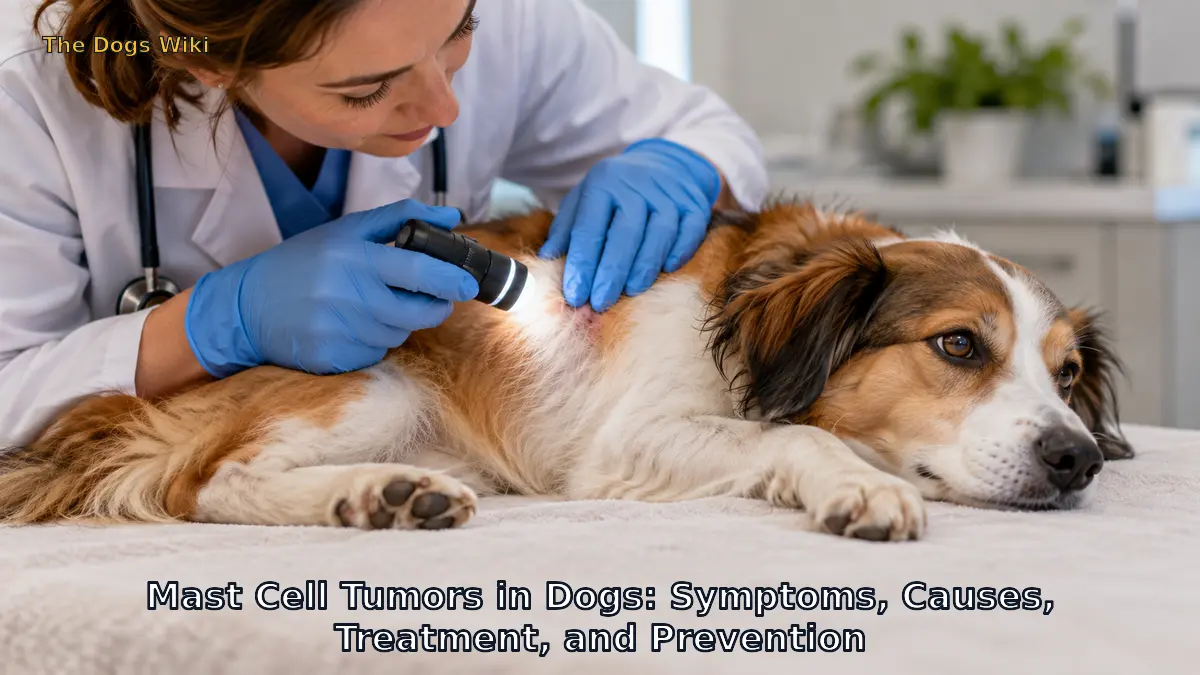
Mast cell tumors are the most commonly diagnosed skin tumor in dogs, arising from mast cells, a type of immune cell normally involved in allergic responses, and their behavior ranges from easily cured to genuinely aggressive.
Because mast cell tumors can look like almost anything on the skin, from a small, innocuous bump to an angry, red, ulcerated mass, any new skin lump on a dog is worth having checked rather than assumed to be harmless. This guide covers what causes mast cell tumors, their symptoms, how they’re diagnosed, how they’re treated, whether they can be prevented, and when to see a veterinarian.
This guide covers what mast cell tumors are, what causes them in dogs, their symptoms, how they’re diagnosed, how they’re treated, whether they can be prevented, when to see a vet, and what else people ask.
What Are Mast Cell Tumors in Dogs?
Mast cell tumors develop when mast cells, immune cells that normally release histamine and other chemicals during an allergic reaction, grow and divide abnormally to form a tumor, most often in the skin. These tumors are notoriously variable: a low-grade mast cell tumor behaves in a relatively contained, less aggressive way and is often curable with surgery alone, while a high-grade tumor can spread to lymph nodes and internal organs and requires more aggressive treatment. Breeds including the Boxer, Boston Terrier, Labrador Retriever, Golden Retriever, Pug, and Bulldog show a documented elevated risk for developing mast cell tumors.
What Causes Mast Cell Tumors in Dogs?
The exact trigger for mast cell tumor development isn’t fully understood, but genetics plays a clear role given how strongly certain breeds are overrepresented among diagnosed cases. Mutations in a gene called c-KIT have been identified in a meaningful portion of mast cell tumors, and this mutation is associated with more aggressive tumor behavior in the cases where it’s present. Age is also a factor, since mast cell tumors become more common as dogs get older, though they can occur at virtually any age.
What Are the Symptoms of Mast Cell Tumors in Dogs?
A mast cell tumor typically appears as a raised or flat skin mass that can vary enormously in appearance, from a small, soft, innocuous-looking bump to a larger, red, ulcerated, or rapidly changing mass. A distinctive and sometimes alarming feature of these tumors is that physically touching or manipulating them can cause the mast cells inside to release histamine suddenly, triggering visible swelling and redness around the tumor that can appear and fade over minutes to hours. In more advanced or high-grade cases, this histamine release can become significant enough to cause systemic symptoms, including vomiting or gastrointestinal bleeding.
How Are Mast Cell Tumors in Dogs Diagnosed?
A veterinarian typically diagnoses a mast cell tumor initially through a fine needle aspirate, a simple procedure that collects a small sample of cells from the mass for examination under a microscope, often providing a diagnosis the same day. Once a mast cell tumor is confirmed, a biopsy of the removed tumor provides a grade, which indicates how aggressively the specific tumor is likely to behave and guides further treatment decisions. For higher-grade tumors, additional staging tests, including bloodwork, lymph node evaluation, and imaging, help determine whether the cancer has spread beyond the original tumor site.
How Are Mast Cell Tumors in Dogs Treated?
Surgical removal with wide margins around the tumor is the primary treatment for most mast cell tumors, and a lower-grade tumor removed completely is often considered cured with no further treatment needed. When surgical margins aren’t fully clear, or for higher-grade tumors with a greater risk of recurrence or spread, radiation therapy targeting the tumor site helps reduce that risk. Higher-grade tumors that have spread, or carry a high risk of spreading, are typically treated with chemotherapy, and a veterinarian may also prescribe antihistamines or other medications to manage the histamine-related symptoms that can accompany these tumors.
Can Mast Cell Tumors in Dogs Be Prevented?
Mast cell tumors generally can’t be prevented, since the underlying genetic and cellular factors that drive their development aren’t within an owner’s control. Regular at-home skin checks and prompt veterinary evaluation of any new or changing lump give a dog the best chance at catching a mast cell tumor while it’s still small and more easily treated. Breeds with a documented elevated risk benefit from more frequent veterinary skin exams as part of routine wellness care.
When Should You See a Vet for Mast Cell Tumors in Dogs?
See a veterinarian for any new skin lump on a dog, regardless of how harmless it looks, since mast cell tumors can’t be reliably identified by appearance alone and early diagnosis significantly improves treatment options. A lump that suddenly swells, becomes red, or changes noticeably after being touched or bumped deserves a prompt evaluation, since this reaction pattern is characteristic of mast cell tumors specifically. A dog previously treated for a mast cell tumor should also have regular veterinary skin checks, since these tumors can recur or new ones can develop separately.
What Else Do People Ask About Mast Cell Tumors in Dogs?
The questions below cover whether mast cell tumors are always cancerous, whether they’re painful, how to tell them apart from a harmless lump, and whether they can come back after removal.
Are mast cell tumors always cancerous?
Yes, mast cell tumors are a form of cancer by definition, though their behavior ranges considerably from low-grade tumors that are easily cured with surgery to high-grade tumors that behave much more aggressively. The grade assigned after biopsy is what determines how serious a specific tumor actually is, which is why grading matters more than the word “cancer” alone.
Are mast cell tumors painful for dogs?
Mast cell tumors themselves aren’t always painful, though the histamine release they can trigger when touched or manipulated sometimes causes noticeable discomfort or irritation around the tumor site. Larger or ulcerated tumors are more likely to cause genuine discomfort than smaller, intact ones.
How can you tell a mast cell tumor apart from a harmless lump?
You generally can’t reliably tell a mast cell tumor apart from a harmless lump just by looking at or feeling it, since mast cell tumors can mimic almost any other type of skin growth in appearance. This is exactly why a fine needle aspirate, a quick and minimally invasive test, matters for any new skin lump rather than relying on visual assessment alone.
Can mast cell tumors come back after removal?
Yes, mast cell tumors can recur, particularly if the original tumor had a higher grade or if surgical margins weren’t completely clear of tumor cells. This is why follow-up monitoring and, in some cases, additional treatment like radiation are recommended for tumors with a higher risk of recurrence.
Related Guides
More guides on The Dogs Wiki cover general dog health and senior dog care.
| Guide |
|---|
| Dog Health |