
Home → Dog Breeds → Herding Group → Belgian Sheepdog
Belgian Sheepdog: Breed Profile, Temperament, Health, and Care Guide
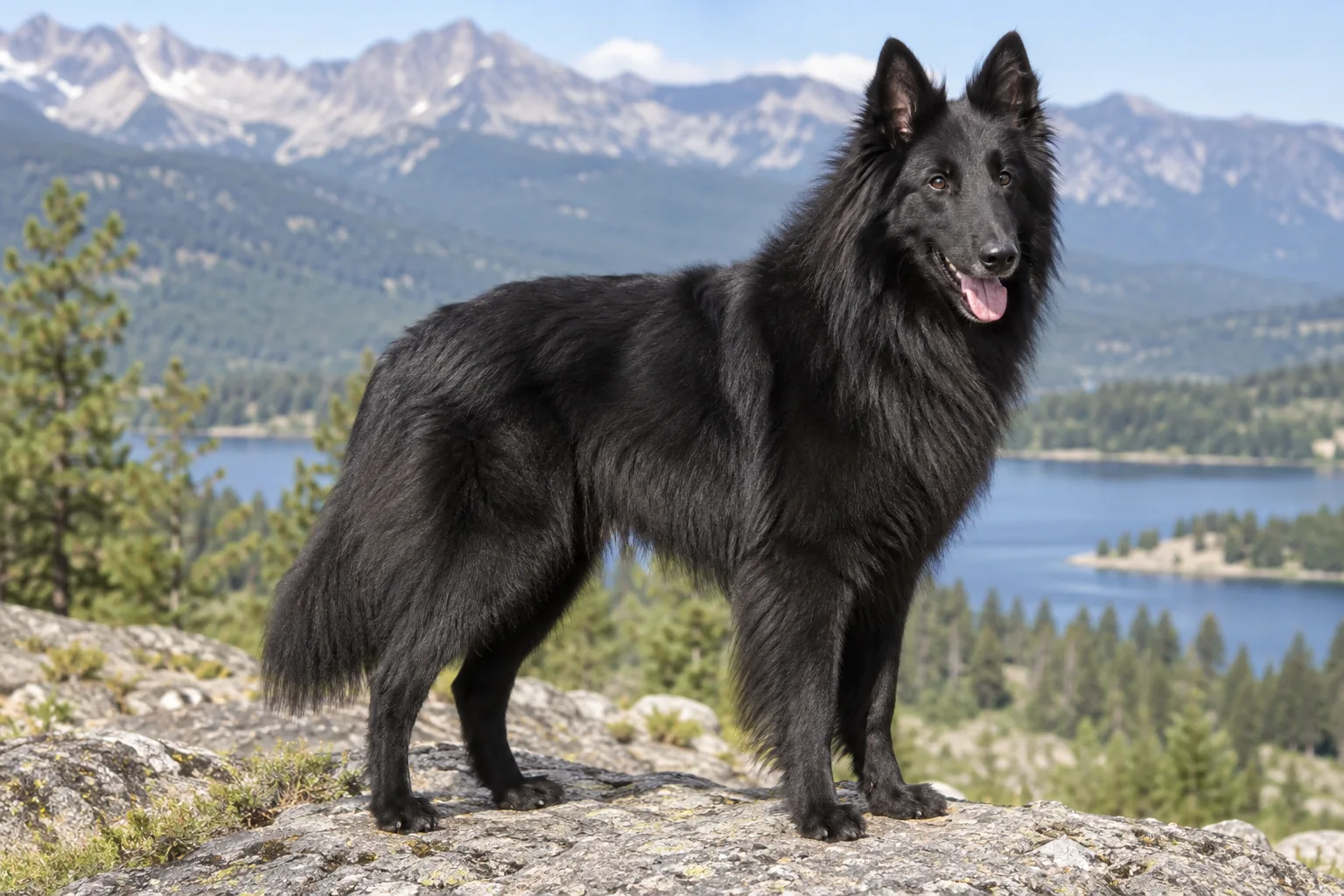
A Belgian Sheepdog, also called the Groenendael, is a medium to large Herding Group breed from Belgium.
It’s the solid black, long-coated variety among the four Belgian shepherd breeds. Belgian breeders originally developed it to herd and guard livestock. This guide covers where the breed originated, its temperament, how big Belgian Sheepdogs get, how long they live, the health problems they are prone to, grooming, how much exercise they need, how easy they are to train, what to feed them, the pros and cons of owning one, and what else people ask.
What Is a Belgian Sheepdog and Where Did the Breed Originate?
A Belgian Sheepdog belongs to the AKC’s Herding Group. Belgian breeders took the development of the Belgian Sheepdog seriously in the late 1800s, though they argued extensively about coat variations, producing four clear coat types. The AKC recognizes each as a separate breed, while the FCI treats them as one breed with different coats. The Belgian Sheepdog itself, sometimes called the Groenendael, is the solid black, long-haired variety.
The American Kennel Club defines the breed in its “Official Standard of the Belgian Sheepdog”, approved December 11, 1990, which sets out the size, coat, and temperament a Belgian Sheepdog should have. As of September 2026, the AKC ranks the Belgian Sheepdog 131st of 210 breeds in popularity.
What Is a Belgian Sheepdog’s Temperament Like?
A Belgian Sheepdog’s temperament is intelligent, watchful, and genuinely devoted to family. The breed forms strong bonds and expects to be included in daily life. Snapping, growling, or bolting are considered undesirable and unusual behaviors, and most puppies go through temporary emotional phases in their first year that responsible training helps them grow past.
How Big Do Belgian Sheepdogs Get?
Belgian Sheepdogs are a medium to large, elegant, well-muscled breed with a solid black double coat, long and abundant, in particular around the neck and chest.
What Is the Average Belgian Sheepdog Height and Weight?
| Measure | American Kennel Club figure |
|---|---|
| Height | 24-26 inches (male), 22-24 inches (female) |
| Weight | 55-75 pounds (male), 45-60 pounds (female) |
| Life expectancy | 12-14 years |
Figures are from the American Kennel Club Belgian Sheepdog breed profile, retrieved September 2026.
How Long Do Belgian Sheepdogs Live?
Belgian Sheepdogs live 12 to 14 years, and the breed is considered healthy. Regular veterinary care supports a full life, in particular given the breed’s documented epilepsy risk.
What Health Problems Are Belgian Sheepdogs Prone To?
Belgian Sheepdogs are documented as being at higher risk for the following conditions.
- Hip and elbow dysplasia. Genetic joint conditions with a documented low incidence in the breed, still worth screening for through OFA or PennHIP evaluation.
- Epilepsy. A recognized concern in the breed that most often shows up between ages two and three.
- Eye conditions. The breed club recommends all breeding stock pass an eye exam before being bred.
- Overall good health. Belgian Sheepdogs are generally considered a healthy breed with relatively low rates of major genetic problems.
How Do You Groom a Belgian Sheepdog?
Belgian Sheepdogs have a long, abundant double coat that needs dedicated, regular brushing several times a week to prevent matting, with more frequent brushing during seasonal shedding.
How Much Exercise Does a Belgian Sheepdog Need?
A Belgian Sheepdog needs substantial daily exercise and mental stimulation, reflecting genuine working-dog stamina. Structured activities like herding, agility, and obedience work suit this breed well.
Are Belgian Sheepdogs Easy to Train?
Yes, generally. Belgian Sheepdogs are intelligent and genuinely eager to work with their people. Positive, consistent training started early helps the breed grow into a well-adjusted, confident adult.
What Should You Feed a Belgian Sheepdog?
A Belgian Sheepdog does well on a high-quality formula appropriate for its life stage and genuinely active lifestyle. A veterinarian can help set appropriate portions.
What Are the Pros and Cons of Owning a Belgian Sheepdog?
Here are the main advantages of owning a Belgian Sheepdog.
- Intelligent, watchful, genuinely devoted temperament
- Generally healthy breed with low rates of major genetic problems
- Does well at herding, agility, and obedience work
- Striking, elegant black coat
Here are the main drawbacks of owning a Belgian Sheepdog.
- Needs substantial daily exercise and mental stimulation
- High grooming commitment for the long double coat
- Can go through emotional phases as a puppy requiring patient handling
- Documented risk of epilepsy
Belgian Sheepdog rescue organizations place adult dogs regularly, worth a look for anyone drawn to this breed’s elegant devotion but not set on a breeder search.
What Else Do People Ask About the Belgian Sheepdog?
The questions below cover how much a Belgian Sheepdog costs, whether Belgian Sheepdogs are good family dogs, the difference between the Belgian Sheepdog and the Belgian Tervuren, and whether the Belgian Sheepdog is the same as the Groenendael.
How much does a Belgian Sheepdog cost?
First-year costs, including the puppy, veterinary care, food, and training, total $3,200 to $6,000. Adopting an adult dog through a breed-specific rescue is usually cheaper.
Are Belgian Sheepdogs good family dogs?
Belgian Sheepdogs can be good family dogs for engaged owners committed to training and socialization, since the breed genuinely wants to be included in family activities rather than left alone.
What Is the Difference Between the Belgian Sheepdog and the Belgian Tervuren?
The two breeds are nearly identical except for coat: the Belgian Sheepdog has a solid black coat, while the Tervuren has a fawn coat with black overlay. Both share the same underlying herding heritage and temperament.
Is the Belgian Sheepdog the same as the Groenendael?
Groenendael is another name for the Belgian Sheepdog, referring to the solid black, long-haired variety of the four Belgian shepherd breeds. The name is sometimes used interchangeably with Belgian Sheepdog in the U.S.
Related Guides
More guides on The Dogs Wiki cover behavior, health, grooming, training, nutrition, and adoption.
| Guide |
|---|
| Behavior |
| Health |
| Grooming |
| Training |
| Nutrition |
| Adoption |
Leave a Reply