Home → Dog Breeds → Herding Group → Briard
A Briard is a large Herding Group breed from France, dating back to at least the 8th century.
It appears in tapestries alongside Emperor Charlemagne, and Napoleon and Thomas Jefferson both reportedly kept one. Bred to guard and herd sheep, the breed is often described as a “heart wrapped in fur.” This guide covers where the breed originated, its temperament, how big Briards get, how long they live, the health problems they are prone to, grooming, how much exercise they need, how easy they are to train, what to feed them, the pros and cons of owning one, and what else people ask.
What Is a Briard and Where Did the Breed Originate?
A Briard belongs to the AKC’s Herding Group. Also called the Chien Berger de Brie, the breed dates back to at least the 8th century, depicted in tapestries alongside Emperor Charlemagne. Napoleon Bonaparte reportedly kept Briards, and Thomas Jefferson received one as a gift while serving as U.S. Ambassador to France. Briards were bred to both guard and herd sheep, and during World War I they served as sentries, ammunition carriers, messengers, and medic dogs. The AKC recognized the breed in 1928.
The American Kennel Club defines the breed in its “Official Standard of the Briard”, approved February 8, 1975, which sets out the size, coat, and temperament a Briard should have. As of September 2026, the AKC ranks the Briard 145th of 210 breeds in popularity.
What Is a Briard’s Temperament Like?
A Briard’s temperament is intelligent, loyal, and intensely protective, constantly thinking about its family’s safety. The breed is reserved, even mistrustful, with strangers, and unfamiliar or crowded environments can feel genuinely overwhelming given the Briard’s watchful nature. This breed considers its owners equal companions rather than authority figures, which shapes how training needs to work.
How Big Do Briards Get?
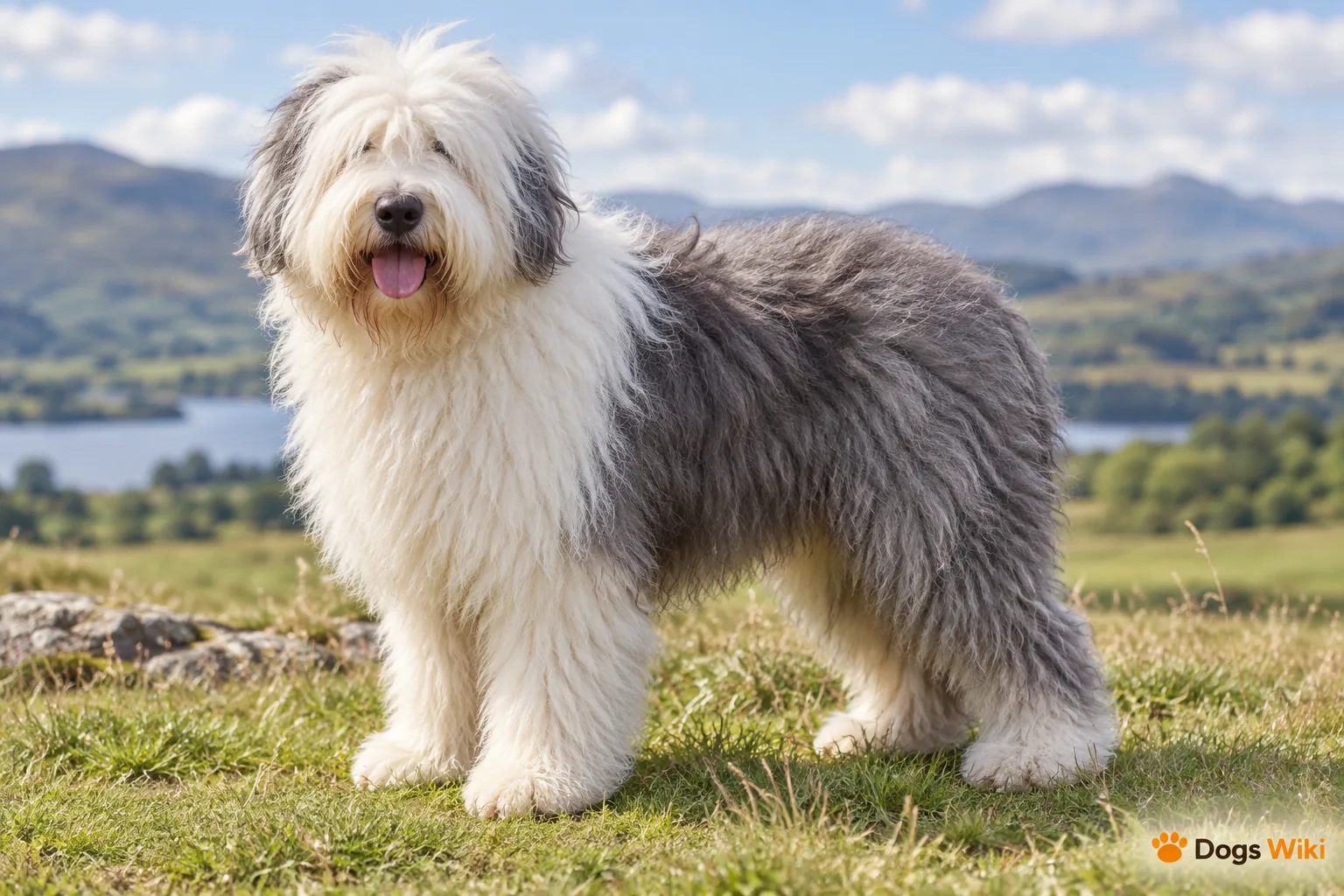
Briards are a large, well-muscled, working-built breed with a slightly wavy coat at least six inches long, in solid black, gray, or various shades of tawny.
What Is the Average Briard Height and Weight?
| Measure | American Kennel Club figure |
|---|---|
| Height | 23-27 inches (male), 22-25.5 inches (female) |
| Weight | 55-100 pounds |
| Life expectancy | 12 years |
Figures are from the American Kennel Club Briard breed profile, retrieved September 2026.
How Long Do Briards Live?
Briards live 10 to 12 years, with some sources citing a range up to 15. Regular veterinary care supports a full life, given the breed’s documented hip and bloat risk.
What Health Problems Are Briards Prone To?
Briards are documented as being at higher risk for the following conditions.
- Hip dysplasia. A condition in which the hip joint doesn’t develop properly, characterized by looseness causing osteoarthritis; mild cases respond to physical therapy, severe cases may need surgery.
- Bloat, or gastric dilatation-volvulus (GDV). The breed’s large size and deep chest make it genuinely susceptible to this life-threatening emergency.
- Congenital stationary night blindness. A condition causing difficulty seeing in low light from birth, which doesn’t worsen over time but requires accommodation.
- Hereditary cataracts. A condition causing the eye’s lens to cloud, stopping light from reaching the retina and resulting in vision loss.
- Progressive retinal atrophy. An inherited eye disease that can lead to further vision loss over time.
How Do You Groom a Briard?
Briards don’t shed excessively despite their flowing locks, but they need daily brushing and a professional groomer visit every four to six weeks to keep the coat healthy and further reduce shedding.
How Much Exercise Does a Briard Need?
A Briard needs a high level of physical activity daily, reflecting genuine herding and guarding stamina. The breed doesn’t make a good kennel dog and needs real activities to prevent destructive chewing and digging, along with a large fenced yard to prevent roaming.
Are Briards Easy to Train?
Briards are independent thinkers, and patience and consistency are genuinely non-negotiable with this breed. Positive, respectful training that treats the Briard as an equal partner works far better than a strict command-and-obey approach.
What Should You Feed a Briard?
A Briard does well on a formula suited to its age and genuinely active lifestyle, with portions watched closely given how obesity can worsen joint, metabolic, and cardiac problems in this large breed.
What Are the Pros and Cons of Owning a Briard?
Here are the main advantages of owning a Briard.
- Intelligent, loyal, genuinely protective temperament
- Excellent watchdog and natural guardian
- Coat sheds minimally despite its length
- Deeply devoted, considers owners equal companions
Here are the main drawbacks of owning a Briard.
- Reserved, even mistrustful, with strangers
- Documented risk of bloat given large size and deep chest
- Needs a large fenced yard and substantial daily activity
- High grooming commitment, needing daily brushing
Briard rescue organizations place adult dogs, already well-trained and socially mature, worth a look for anyone drawn to this breed’s devoted loyalty but not set on a breeder search.
What Else Do People Ask About the Briard?
The questions below cover how much a Briard costs, whether Briards are good family dogs, why the Briard is called a “heart wrapped in fur”, and whether Thomas Jefferson owned a Briard.
How much does a Briard cost?
A Briard puppy costs around $1,500 from a reputable breeder screened for health and temperament. Adopting an adult dog through a rescue is usually cheaper, and the breed club often recommends starting with an already-socialized adult.
Are Briards good family dogs?
Briards can be excellent family dogs, genuinely gentle yet protective and good with children, though the breed suits experienced pet parents best given its independent, watchful nature and constant need for attention.
Why is the Briard called a “heart wrapped in fur”?
The nickname reflects the breed’s intense devotion and affection toward its family, combined with a large, muscular frame, capturing both the Briard’s emotional depth and its genuine physical presence as a working guardian breed.
Did Thomas Jefferson own a Briard?
Yes, according to documented breed history, Thomas Jefferson received a Briard as a gift while serving as U.S. Ambassador to France, adding to the breed’s storied association with notable historical figures across centuries.
Related Guides
More guides on The Dogs Wiki cover behavior, health, grooming, training, nutrition, and adoption.
| Guide |
|---|
| Behavior |
| Health |
| Grooming |
| Training |
| Nutrition |
| Adoption |