
Home → Dog Breeds → Non-Sporting Group → Shiba Inu
A Shiba Inu is a small to medium Non-Sporting Group breed and the smallest of Japan’s six native dog breeds, with ancestry believed to trace back to around 7,000 BC among the Jomon-jin people of ancient Japan.
Originally bred to hunt small game in mountainous terrain, the Shiba Inu today is better known for a spirited, cat-like independence that’s made it an internet phenomenon and a genuinely demanding companion in equal measure. This guide covers where the breed originated, its temperament, how big Shiba Inus get, how long they live, the health problems they are prone to, grooming, how much exercise they need, how easy they are to train, what to feed them, the pros and cons of owning one, and what else people ask.
What Is a Shiba Inu and Where Did the Breed Originate?
A Shiba Inu belongs to the American Kennel Club’s Non-Sporting Group. The breed’s ancestors are believed to have arrived in Japan as early as 7,000 BC, living alongside the Jomon-jin people, and the modern Shiba is thought to have developed from crossing these early dogs with another type that arrived around 300 BC. Bred originally to hunt small game in Japan’s mountainous regions, the Shiba Inu is the smallest of Japan’s six native breeds, alongside larger relatives like the Akita. The AKC granted the breed full recognition in 1992.
The American Kennel Club defines the breed in its “Official Standard of the Shiba Inu”, approved February 7, 1997, which sets out the size, coat, and temperament a Shiba Inu should have. As of September 2026, the AKC ranks the Shiba Inu 42nd of 210 breeds in popularity.
What Is a Shiba Inu’s Temperament Like?
A Shiba Inu’s temperament is confident, independent, and often genuinely described as cat-like, forming intense bonds with family while remaining aloof or uninterested toward strangers. Shibas have a strong sense of personal space and may not welcome other dogs into their home readily, making many individuals better suited to single-pet households. The breed is famously vocal, capable of a distinctive high-pitched vocalization sometimes called the “Shiba scream” when upset or overstimulated, and can show dominant or territorial behavior toward dogs of the same sex.
How Big Do Shiba Inus Get?
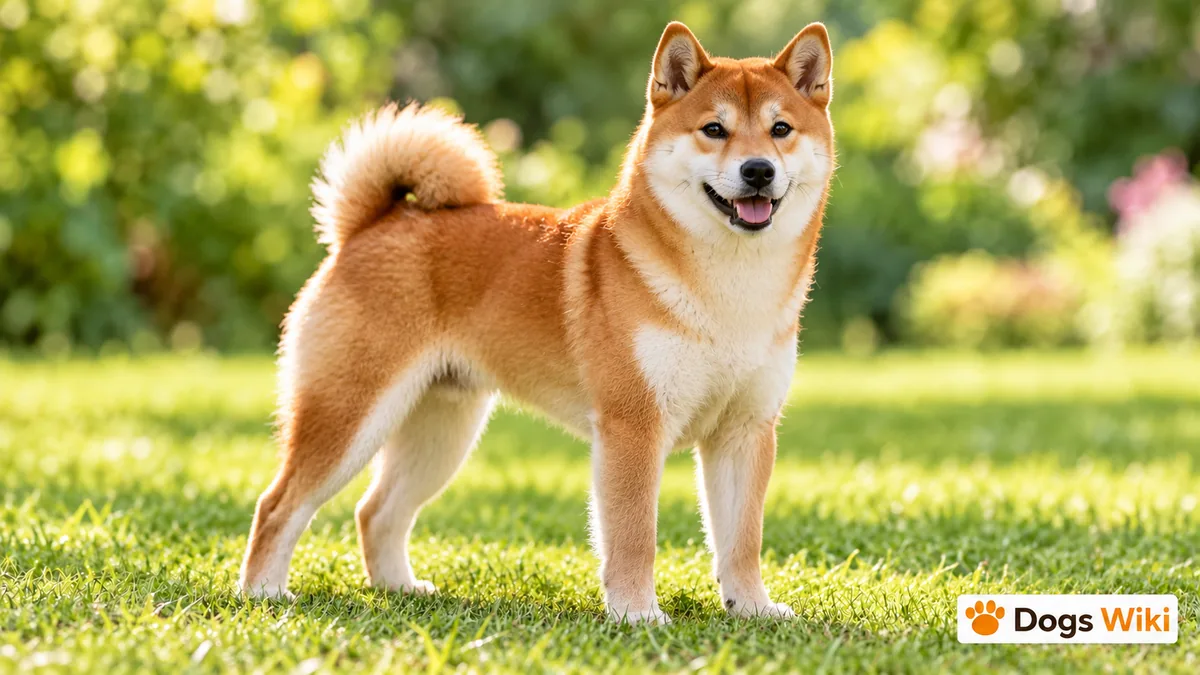
Shiba Inus are a small to medium, compact, fox-like breed with erect triangular ears, a curled tail, and a plush double coat that gives the breed its distinctive Spitz-type silhouette.
What Is the Average Shiba Inu Height and Weight?
| Measure | American Kennel Club figure |
|---|---|
| Height | 14.5-16.5 inches (male), 13.5-15.5 inches (female) |
| Weight | 23 pounds (male), 17 pounds (female) |
| Life expectancy | 13-16 years |
Figures are from the American Kennel Club Shiba Inu breed profile, retrieved September 2026.
How Long Do Shiba Inus Live?
Shiba Inus live 13 to 16 years, and the oldest Shiba ever recorded reportedly reached 26 years of age. Regular veterinary care, including joint and eye screening, supports a full, healthy lifespan for this hardy breed.
What Health Problems Are Shiba Inus Prone To?
Shiba Inus are documented as being at higher risk for the following conditions.
- Patellar luxation. A common small-breed condition affecting up to 20% of dogs in some lines, in which the kneecap shifts out of its normal position.
- Hip and elbow dysplasia. Joint conditions with a documented prevalence of roughly 5 to 10% for hip dysplasia in the breed.
- Hereditary cataracts, progressive retinal atrophy, and glaucoma. A cluster of inherited eye conditions that a veterinarian can screen for with regular eye exams.
- Atopic dermatitis and food allergies. Recognized, breed-associated skin issues that can cause itching, redness, and recurring ear infections.
- Generally hardy health. The Shiba Inu is considered a hardy breed overall, and consistent weight management through diet and exercise supports long-term health.
How Do You Groom a Shiba Inu?
Shiba Inus have a thick double coat that’s naturally clean and largely resistant to matting, but the breed sheds heavily, “blowing” its entire undercoat twice a year during seasonal shedding. Daily brushing during those periods and weekly brushing otherwise helps manage the volume of loose hair, and the breed’s naturally waterproof, low-odor coat means baths are needed only occasionally. Nail trims are a genuine challenge with this breed, since Shibas typically dislike having their paws handled.
How Much Exercise Does a Shiba Inu Need?
A Shiba Inu needs regular daily exercise, generally a mix of walks and active play, to maintain its lean, toned form, and the breed can adapt well to apartment living as long as its exercise and mental stimulation needs are genuinely met. Given the breed’s independent streak, secure containment matters, since Shibas retain real hunting instincts and can be quick to chase and escape if given the opportunity.
Are Shiba Inus Easy to Train?
Shiba Inus are intelligent but genuinely strong-willed, making them moderately challenging to train compared to more naturally compliant breeds. Consistent training requires real patience, and positive reinforcement works better than repetition or correction, since Shibas respond poorly to harsh handling and can become even more stubborn if pushed too hard.
What Should You Feed a Shiba Inu?
Shiba Inus do well on a balanced, high-quality formula suited to their age and activity level, and maintaining an ideal weight through consistent portions and regular exercise supports the breed’s long-term joint health. A veterinarian can help adjust a feeding plan for an individual dog, in particular if food allergies are a concern.
What Are the Pros and Cons of Owning a Shiba Inu?
Here are the main advantages of owning a Shiba Inu.
- Confident, independent, genuinely striking fox-like appearance
- Long average lifespan for the breed’s size
- Naturally clean coat with low odor and minimal need for bathing
- Well suited to apartment living given proper exercise
Here are the main drawbacks of owning a Shiba Inu.
- Genuinely independent-minded, moderately challenging to train
- Heavy seasonal shedding twice a year
- Strong sense of personal space, often better as an only dog
- Not always food-motivated and dislikes routine handling like nail trims
Shiba Inu rescue organizations place adult dogs regularly, worth a look for anyone drawn to the breed’s independent spirit but not set on a breeder search.
What Else Do People Ask About the Shiba Inu?
The questions below cover how much a Shiba Inu costs, whether Shiba Inus are good family dogs, why Shiba Inus scream, and whether Shiba Inus are hard to train.
How much does a Shiba Inu cost?
A Shiba Inu puppy from a health-tested, AKC-registered breeder costs between $1,000 and $3,500, with show-quality or champion-bloodline puppies commanding more, and prices vary by region. Adopting an adult Shiba Inu through a rescue starts around $450 and is a lower-cost alternative.
Are Shiba Inus good family dogs?
Shiba Inus can be good family dogs, in particular with school-age children who respect the breed’s boundaries and personal space, though their independent, sometimes aloof nature means they aren’t the most naturally affectionate breed with everyone. The breed’s solitary history usually makes it best suited to single-pet households rather than homes with multiple dogs.
Why do Shiba Inus scream?
The “Shiba scream” is a distinctive, high-pitched vocalization the breed makes when upset, overstimulated, or resistant to something like nail trimming or bathing, a trait that’s become widely known through social media. It’s a normal breed characteristic rather than a sign of pain, though it can be startling to new owners the first time they hear it.
Are Shiba Inus hard to train?
Shiba Inus are intelligent but genuinely independent and strong-willed, which makes them moderately more challenging to train than naturally eager-to-please breeds. Consistent, patient, positive reinforcement training from puppyhood produces the best results, and harsh correction tends to backfire with this breed’s stubborn streak.
Related Guides
More guides on The Dogs Wiki cover behavior, health, grooming, training, nutrition, and adoption.
| Guide |
|---|
| Behavior |
| Health |
| Grooming |
| Training |
| Nutrition |
| Adoption |