Home→Dog Health→Orthopedic & Joint→Why Is My Dog Limping?
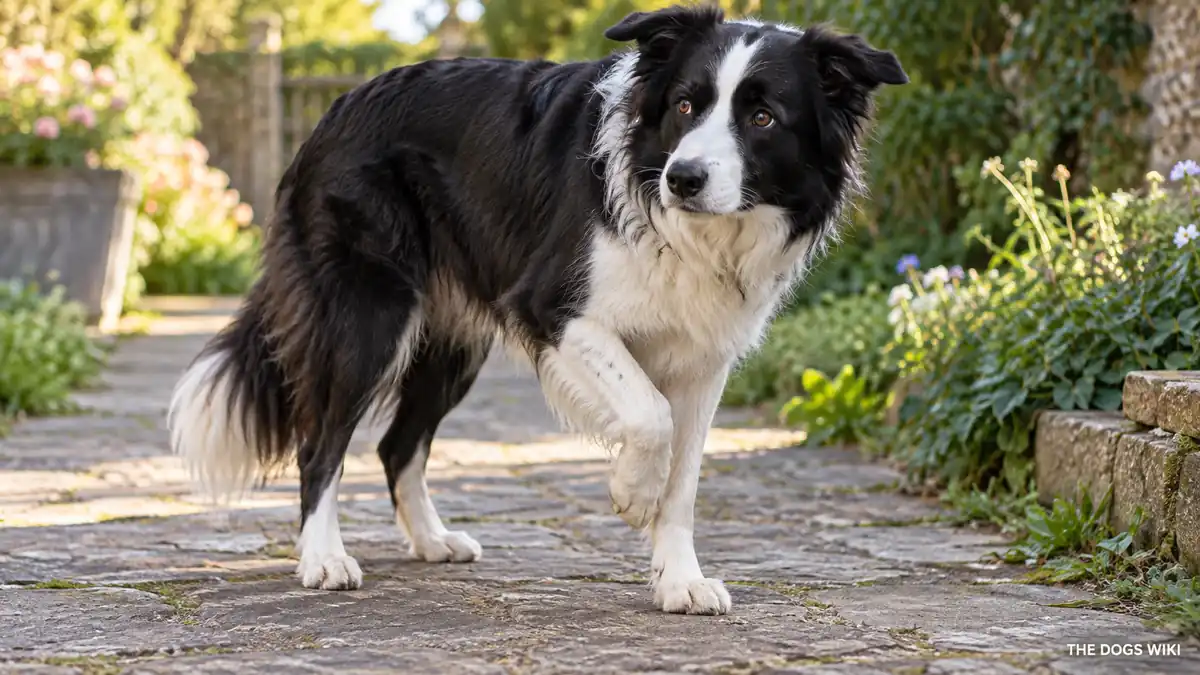
A dog limping is favoring one leg due to pain, weakness, or reduced range of motion, and the cause can range from a minor, self-resolving injury to a condition that needs prompt veterinary care.
Limping is one of the most common reasons dogs are brought in for a veterinary exam, and the range of possible causes is wide enough that the same limp can mean very different things in a puppy, an adult dog, and a senior dog. This guide covers the common causes of limping, how to assess it at home, when it resolves on its own, and when to see a vet.
What Causes Limping in Dogs?
Soft tissue injuries, including sprains, strains, and paw pad cuts, are among the most common causes of sudden limping, particularly after vigorous play or a hard landing. Orthopedic conditions, including torn cruciate ligaments, luxating patella, and hip or elbow dysplasia, are frequent causes of limping that develops gradually or recurs, especially in predisposed breeds. Arthritis is the leading cause of chronic, slowly worsening limping in senior dogs, while a foreign object lodged in the paw pad can cause a sudden, severe limp in a dog of any age.
How Can You Tell How Serious a Dog’s Limp Is?
A mild limp where the dog still bears some weight on the leg and the limping improves with rest often points toward a minor strain, while a dog that refuses to put any weight on the leg at all signals a more serious injury. Swelling, heat, or visible wounds at the site of the limp, along with whimpering when the area is touched, are signs that point toward a more significant problem needing veterinary evaluation. A limp that appears suddenly after a specific incident, including a fall or collision, carries a higher chance of a fracture or ligament tear than a limp that develops gradually over weeks.
What Should You Do If Your Dog Is Limping?
Check the paw first for visible cuts, swelling, or an object stuck between the pads, since this is one of the most common and easiest-to-treat causes of sudden limping. Restrict activity and keep the dog on leash-only, short walks for a day or two if the limp is mild and the dog is otherwise acting normally, since many minor strains improve with rest alone. Avoid giving human pain medication, including ibuprofen, which is toxic to dogs, and instead contact a vet if the limp doesn’t noticeably improve within 24 to 48 hours.
When Should You See a Vet for a Dog’s Limp?
See a vet promptly if the dog won’t bear any weight on the leg, if the leg appears visibly deformed or swollen, or if the limp follows a known trauma, including being hit by a car or falling from a height. Seek care if a mild limp hasn’t improved within 48 hours of rest, since this points toward a condition that needs diagnosis rather than something that will resolve on its own. Puppies from large or giant breeds limping during growth periods should also be evaluated promptly, since growth-related joint conditions respond better to early management.
What Else Do People Ask About Dog Limping?
The questions below cover whether limping always means something is broken, whether limping can come and go, and whether small dogs limp for different reasons than large dogs.
Does limping always mean a dog has a broken bone?
No, limping does not always mean a broken bone, since soft tissue strains, paw injuries, and joint conditions, including arthritis and ligament tears, are far more common causes of limping than fractures.
Can a dog’s limp come and go on its own?
Yes, an intermittent limp that comes and goes is common with conditions including luxating patella and early arthritis, where the joint periodically slips or flares up before settling again, and this pattern still benefits from a veterinary evaluation.
Do small dogs limp for different reasons than large dogs?
Yes, small breeds are more prone to luxating patella and certain spinal conditions, while large and giant breeds face higher rates of hip and elbow dysplasia and cruciate ligament tears, so breed size shapes which causes are more likely.
Related Guides
More guides on The Dogs Wiki cover related orthopedic and joint conditions.