Home→Dog Health→Urinary & Renal Health→Why Is My Dog Drinking So Much Water?
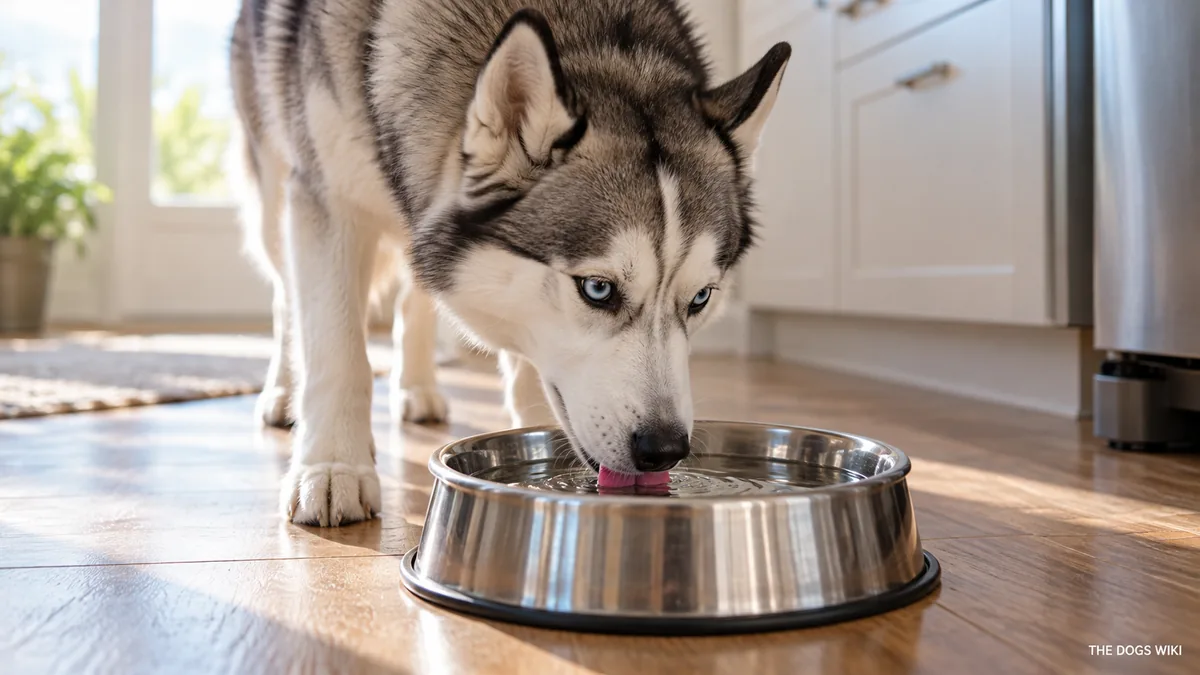
A dog drinking much more water than usual, a condition called polydipsia, is often an early sign of an underlying medical issue rather than normal thirst, and it’s worth tracking closely rather than dismissing.
Increased thirst in dogs is one of the more reliable early warning signs in veterinary medicine, since it frequently shows up before other symptoms become obvious. This guide covers what counts as excessive drinking, the most common causes, when it signals a real problem, what to do, and when to see a vet.
What Counts as Excessive Water Drinking in Dogs?
A healthy dog typically drinks around 1 ounce of water per pound of body weight per day, so a noticeable, sustained increase well beyond that baseline, especially paired with more frequent urination, counts as excessive drinking. A single hot day or an extra-active afternoon can temporarily raise water intake without signaling a problem, which is why tracking the pattern over several days matters more than one thirsty afternoon.
What Causes Excessive Thirst in Dogs?
Kidney disease is among the most common causes of increased thirst in older dogs, since failing kidneys lose their ability to concentrate urine, which drives the body to compensate by drinking more. Diabetes mellitus and Cushing’s disease are two other frequent causes, both of which disrupt normal hormone regulation in ways that increase thirst and urination together. Other causes include urinary tract infections, liver disease, and certain medications, including steroids and diuretics, which can increase thirst as a side effect.
Is Increased Thirst Always a Sign of a Health Problem in Dogs?
No, increased thirst is not always a sign of a health problem, since hot weather, increased exercise, a recent switch to dry food, or pregnancy can all temporarily raise water intake without an underlying condition. It becomes concerning when the increase is sustained over several days, significant in volume, or accompanied by other symptoms, including weight loss, lethargy, or more frequent urination.
What Should You Do If Your Dog Is Drinking Too Much Water?
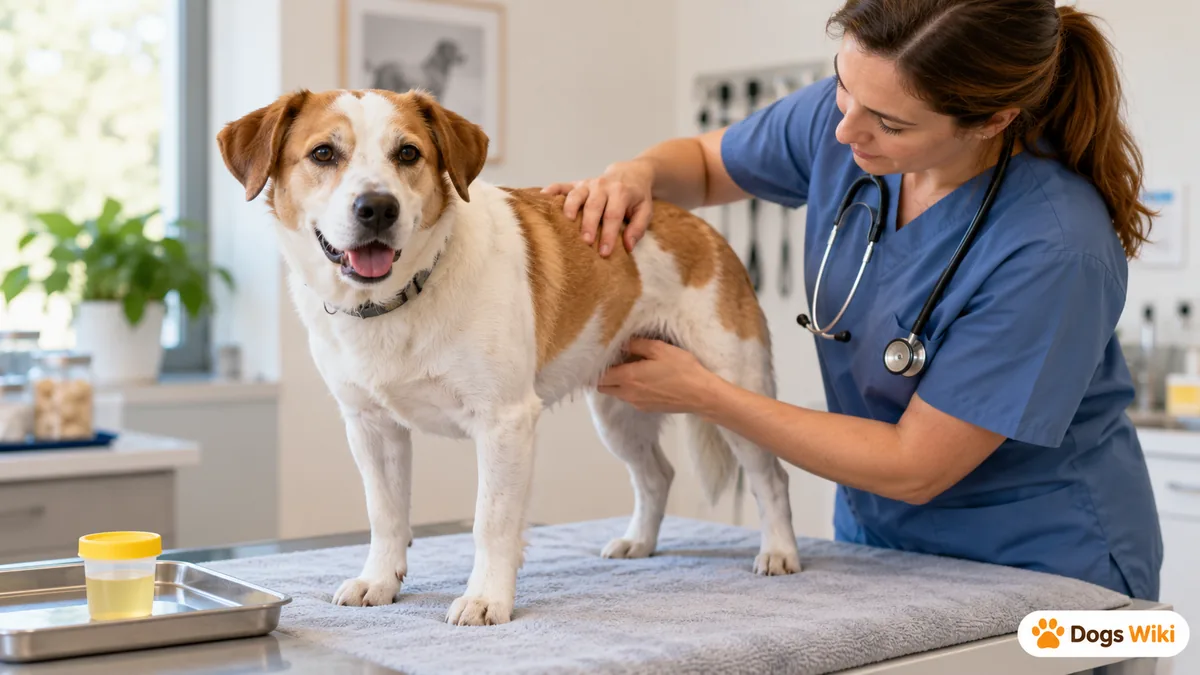
Track how much water your dog drinks over two to three days if possible, since giving a vet a specific volume rather than a general impression makes diagnosis considerably faster. Avoid restricting water access in the meantime, since dehydration is dangerous and excessive thirst is usually the body’s response to a genuine underlying need. Schedule a veterinary visit promptly rather than waiting, since many of the underlying causes respond far better to early treatment.
When Should You See a Vet About Excessive Thirst in Dogs?
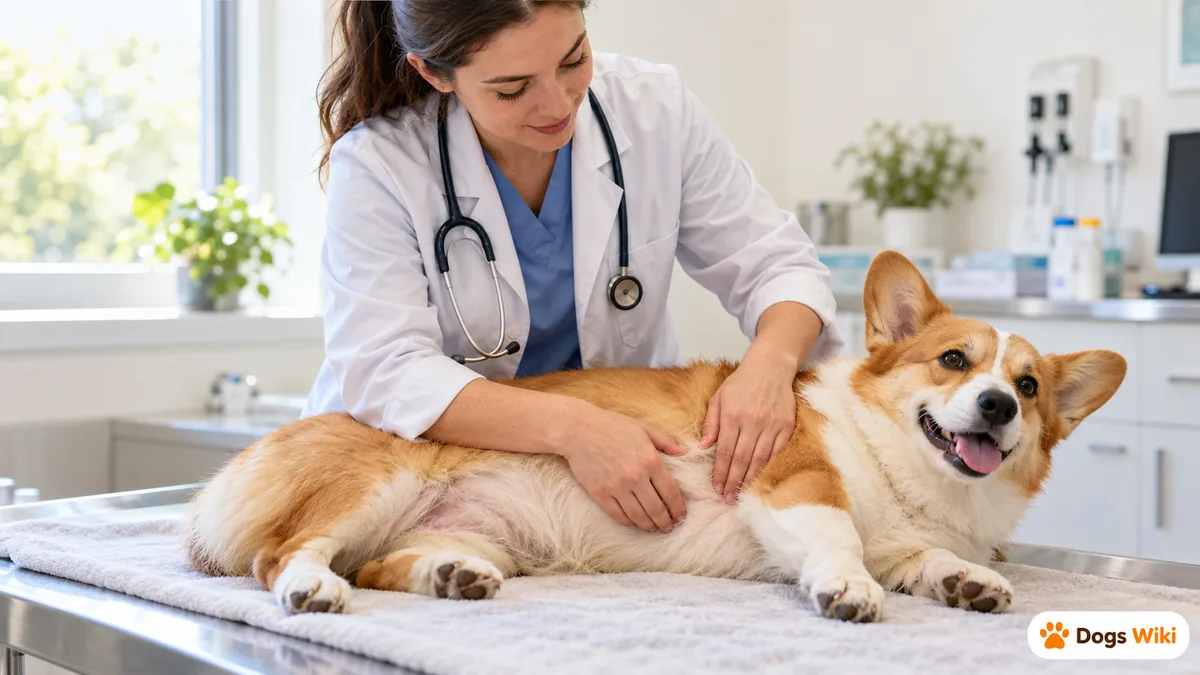
See a vet within a few days if increased thirst persists beyond 48 to 72 hours without an obvious explanation, including heat or increased activity. Seek care sooner if increased thirst comes with other symptoms, including weight loss, vomiting, lethargy, or a noticeably larger or more frequent urine output, since these combinations point toward conditions that benefit from early diagnosis.
What Else Do People Ask About Dogs Drinking Too Much Water?
The questions below cover whether excessive thirst alone means diabetes, whether age affects normal water needs, and whether diet can cause increased thirst.
Does excessive thirst always mean a dog has diabetes?
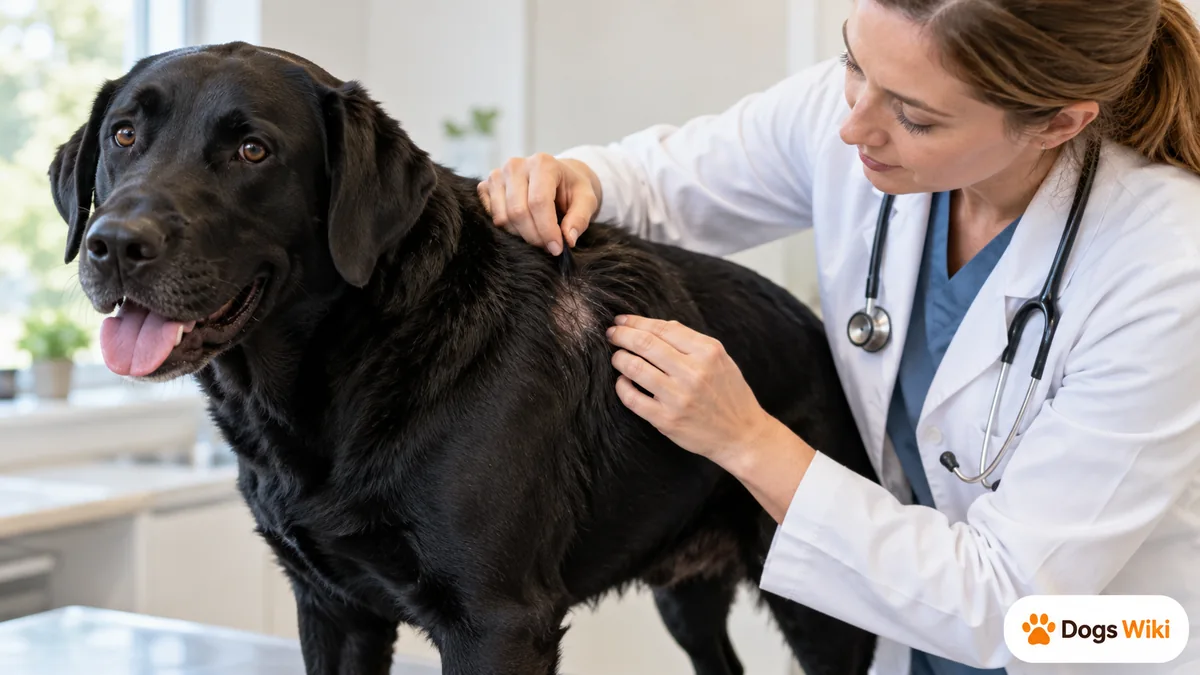
No, excessive thirst does not always mean diabetes, since kidney disease, Cushing’s disease, urinary tract infections, and several other conditions produce the same symptom. A veterinary exam with bloodwork and a urine test is needed to tell these conditions apart.
Do senior dogs normally drink more water than younger dogs?
No, normal water needs don’t meaningfully increase with age on their own, so a senior dog drinking noticeably more water warrants the same attention as it would in a younger dog, since age itself raises the likelihood of kidney disease and other causes.
Can diet cause a dog to drink more water?
Yes, a switch from wet food to dry kibble can increase water intake, since dry food contains far less moisture and dogs compensate by drinking more at the water bowl. This type of increase is usually proportional and steady rather than sudden or extreme.
Related Guides
More guides on The Dogs Wiki cover related urinary and kidney health topics.