
Home → Dog Breeds → Sporting Group → Vizsla
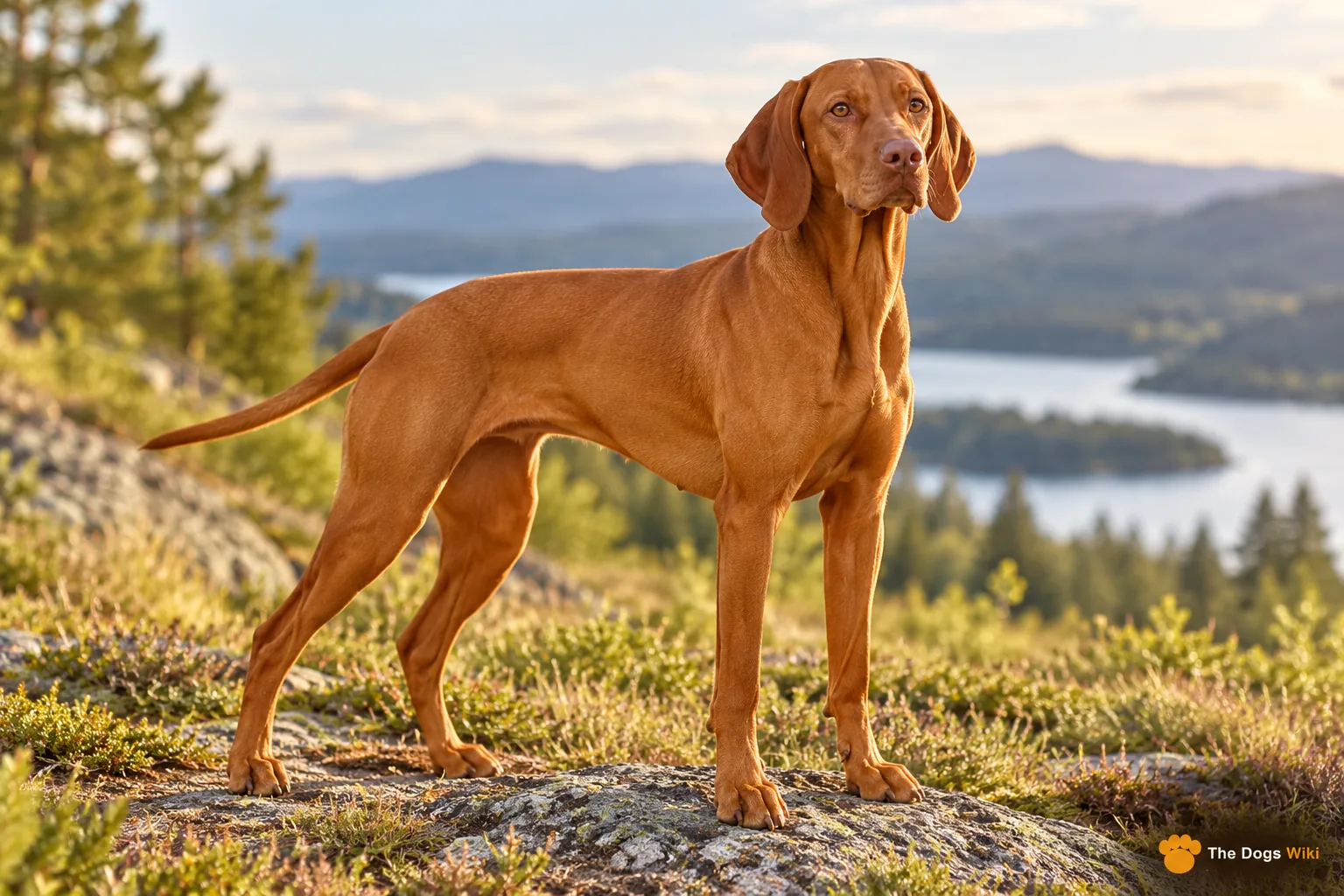
A Vizsla is a medium-sized Sporting Group breed with roots tracing back to 8th-century Hungary, where the dogs worked alongside falconers and hunters as pointing and retrieving companions.
Nearly wiped out around World War I and again after World War II, the breed survived thanks to dedicated enthusiasts and has since become known as among the most devoted, people-attached breeds in the Sporting Group. This guide covers where the breed originated, its temperament, how big Vizslas get, how long they live, the health problems they are prone to, grooming, how much exercise they need, how easy they are to train, what to feed them, the pros and cons of owning one, and what else people ask.
What Is a Vizsla and Where Did the Breed Originate?
A Vizsla belongs to the American Kennel Club’s Sporting Group, and the breed’s name is itself the Hungarian word for “pointer.” Vizslas are believed to descend from hunting dogs kept by Magyar warriors as far back as the 8th century, and the breed appears in stone etchings alongside hunters and falcons from that era. The breed nearly went extinct by the end of World War I, and Hungarian refugees fleeing Soviet occupation after World War II brought the dogs with them as they resettled abroad, which is how the Vizsla eventually reached the United States. American recognition followed in 1960, the same year the breed entered the AKC Sporting Group, and its popularity has grown steadily since.
The American Kennel Club defines the breed in its “Official Standard for the Vizsla”, approved January 13, 2009, which sets out the size, coat, and temperament a Vizsla should have. As of September 2026, the AKC ranks the Vizsla 35th of 210 breeds in popularity.
Is the Wirehaired Vizsla the Same Breed?
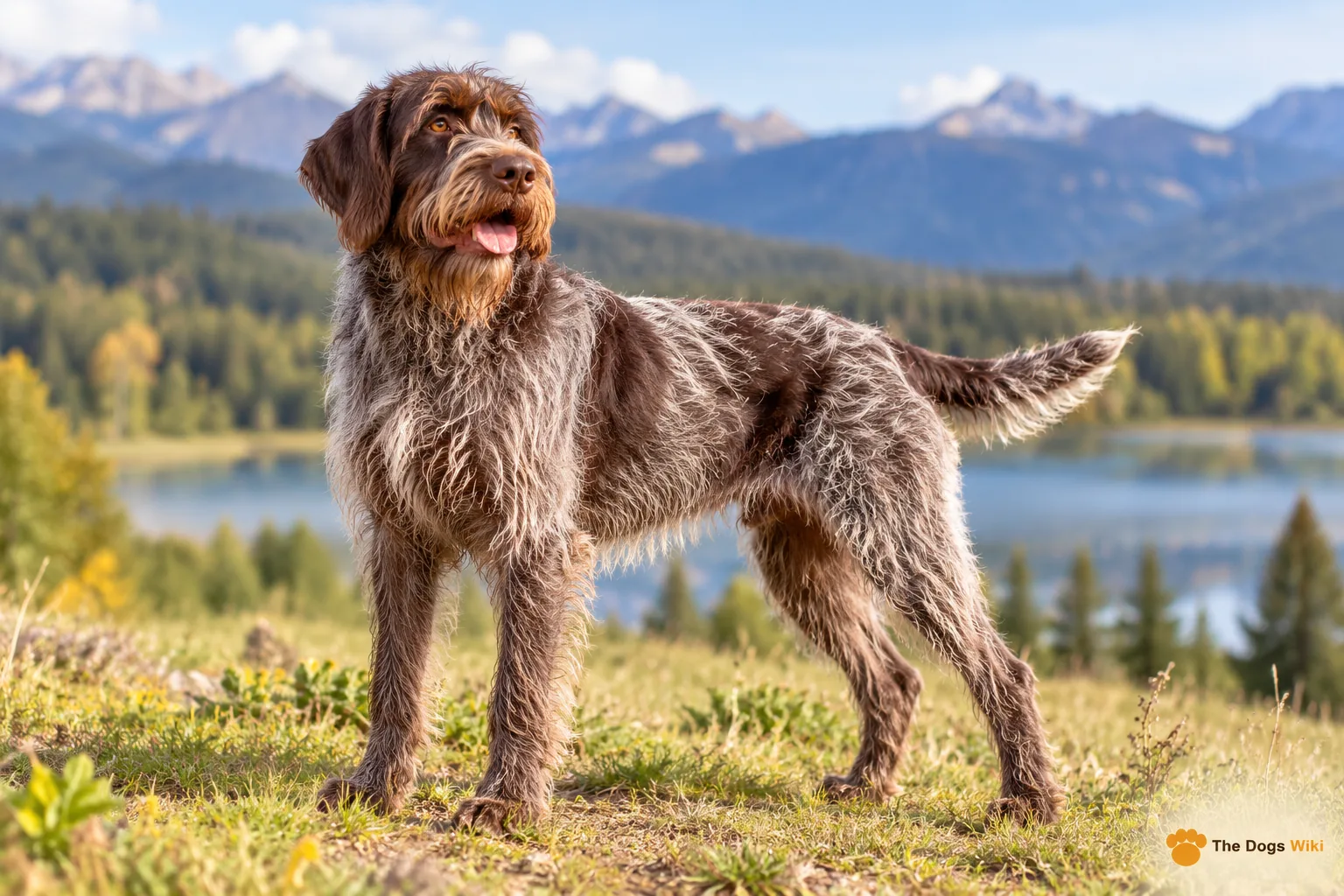
No. The Wirehaired Vizsla was developed in Hungary in the 1930s by crossing Vizslas with German Wirehaired Pointers to produce a dog with a dense, wiry coat for cold weather and rough cover. It shares the golden-rust color and much of the temperament, but it is a separate breed, recognized by the AKC in 2014. The smooth Vizsla described here has a short, close coat with no undercoat.
What Is a Vizsla’s Temperament Like?
A Vizsla’s temperament is affectionate, energetic, and gentle, with an intense attachment to its people that’s earned the breed the nickname “Velcro dog.” The standard describes a dog that is “lively, gentle-mannered, demonstrably affectionate and sensitive though fearless.” Vizslas want to be as physically close to their owner as possible, whether that means following from room to room or curling up on the couch after a long day outdoors, and this closeness means the breed doesn’t tolerate being left alone for long stretches well. They’re a sensitive breed too, responding poorly to harsh treatment and doing well instead on calm, consistent structure and quality time with their family.
Do Vizslas Get Separation Anxiety?
Many do, and rescue groups report it as a frequent reason Vizslas are given up. Whining, pacing, chewing doors, and howling when the family leaves are typical signs. Crate training from puppyhood, practice with short absences that grow gradually, and a long run before the family leaves prevent most cases. Severe anxiety calls for help from a vet or a qualified behavior professional.
How Big Do Vizslas Get?
Vizslas are a lean, medium to large breed built for speed and endurance, with a short, sleek coat in a single, distinctive solid golden-rust color. The breed’s build reflects centuries of selective breeding for a fast, agile hunting companion rather than raw size or bulk. Small white markings on the chest and toes are permitted, and the eyes and nose should blend with the coat color.
What Is the Average Vizsla Height and Weight?
| Measure | American Kennel Club figure |
|---|---|
| Height | 22-24 inches (male), 21-23 inches (female) |
| Weight | 55-60 pounds (male), 44-55 pounds (female) |
| Life expectancy | 12-14 years |
Figures are from the American Kennel Club Vizsla breed profile, retrieved September 2026.
How Long Do Vizslas Live?
Vizslas live 12 to 14 years, with some sources citing a wider 10 to 14 year range. This is a healthy breed, and regular veterinary care paired with attention to the health risks below supports a full, active lifespan.
What Health Problems Are Vizslas Prone To?
Vizslas are documented as being at higher risk for the following conditions.
What Is Hip Dysplasia in Vizslas?
Hip dysplasia is an unstable fit of the hip’s ball and socket joint that leads to arthritis and reduced mobility. Stiffness after rest, a swaying rear, or reluctance to jump are early signs. OFA or PennHIP results on both parents lower the risk, and keeping a Vizsla lean protects the joints of such an active dog.
What Is Epilepsy in Vizslas?
Epilepsy is a neurological disorder that causes recurring seizures, and it is recognized as an inherited problem in the breed. Most first seizures appear between one and five years of age. While unsettling for owners, many dogs with epilepsy live long, happy lives on daily medication. A seizure lasting more than five minutes, or several in a row, is an emergency.
What Is Sebaceous Adenitis in Vizslas?
Sebaceous adenitis is an inherited disease that destroys the oil glands in the skin. In short-coated breeds like the Vizsla, it shows up as circular patches of hair loss and scaling, starting on the head and ears. A skin biopsy confirms it. Medicated baths, oils, and in some cases immune-suppressing drugs keep most dogs comfortable.
What Is Polymyositis in Vizslas?
Polymyositis is an inflammatory muscle disease that affects the Vizsla more than most breeds. It often targets the muscles of the head and throat, causing trouble swallowing, drooling, regurgitation, and wasting of the jaw muscles. Treatment with drugs that calm the immune system controls it in many dogs, and early diagnosis matters because swallowing problems can lead to pneumonia.
What Other Health Problems Affect Vizslas?
Allergies show up as itchy skin or recurring ear issues. Hypothyroidism, an underactive thyroid, is managed long-term with daily medication. Eye conditions and several cancers, including hemangiosarcoma, lymphoma, and mast cell tumors, also occur. Responsible breeders screen hips, eyes, and thyroid before breeding.
How Do You Groom a Vizsla?
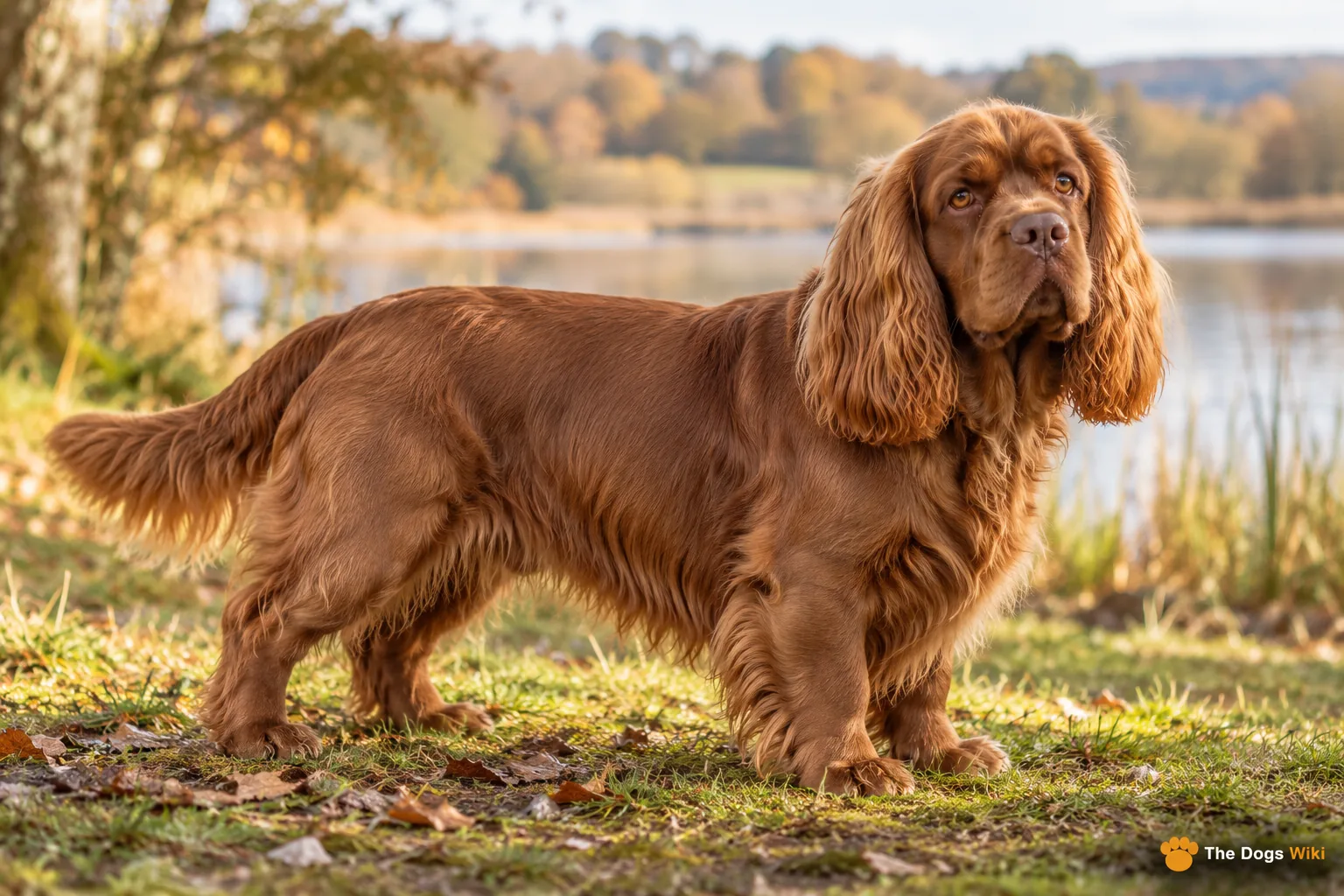
Vizslas have a short, low-maintenance coat that sheds at a moderate level and needs only weekly brushing plus occasional baths to stay healthy. This is one of the easier Sporting Group breeds to groom day to day, since there’s no feathering or undercoat to manage the way there is with many of its spaniel and setter cousins.
| Grooming task | How often |
|---|---|
| Brush with a rubber curry mitt or hound glove | Weekly |
| Check and clean the ears | Weekly |
| Trim or grind nails | Every 2 to 3 weeks |
| Brush teeth | Daily, or at least three times a week |
| Bath | Every 2 to 3 months |
With no undercoat, the breed feels the cold. A coat for winter walks and a warm bed are practical rather than fussy.
How Much Exercise Does a Vizsla Need?
A Vizsla needs substantial daily exercise, at least an hour of vigorous activity, reflecting the breed’s high-energy hunting heritage. Vizslas do best with owners who can provide consistent physical outlets like running, hiking, or off-leash play in a safe area, and the breed’s intense attachment to its people means exercising together works better than solo activity. A Vizsla that isn’t getting enough exercise, both physical and social, is prone to anxiety-related behaviors given how closely bonded the breed is to its family.
Which Activities Suit a Vizsla?
Running, hiking, and swimming meet the physical need, and most Vizslas love water, and many owners run or cycle with an adult Vizsla once its joints have finished growing. Hunt tests, agility, dock diving, and lure coursing use the breed’s speed and nose. Puppies should skip long runs and forced exercise until around 18 months, when the growth plates in their legs have closed. Mental work, such as scent games and trick training, matters as much as miles.
Are Vizslas Easy to Train?
Yes, Vizslas are highly trainable, but like Brittanys, they’re a sensitive breed that requires a gentle approach. Consistent, positive reinforcement training works well, while harsh corrections backfire with this breed’s sensitive temperament. Recall deserves early work, since a Vizsla that spots a bird can be across a field in seconds; practice with a long line and generous rewards before trusting the dog off leash. Early socialization and puppy classes are widely recommended to help a Vizsla channel its intelligence and energy productively.
What Should You Feed a Vizsla?
Vizslas are a high-energy breed that needs high-quality dog food to fuel their active lifestyle, and a formula suited to the dog’s age and activity level is a reasonable starting point. Given the breed’s athleticism, working with a veterinarian to set an appropriate feeding plan based on actual activity level, rather than guessing from the bag’s general guidelines, avoids both under- and overfeeding.
How Do You Tell if a Vizsla Is at the Right Weight?
A fit Vizsla is lean: you should see a faint outline of the last ribs and a clear tuck at the waist. Muscle along the thighs and shoulders should feel firm rather than soft. Owners of other breeds sometimes think a healthy Vizsla looks thin. Feed two measured meals a day, raise portions during heavy exercise or hunting season, and cut back when activity drops.
What Are the Pros and Cons of Owning a Vizsla?
Here are the main advantages and drawbacks of owning a Vizsla, side by side.
| Pros | Cons |
|---|---|
| Deeply affectionate, gentle temperament | Needs substantial daily exercise, an hour or more |
| Low-maintenance short coat with minimal grooming needs | Prone to separation-related anxiety given its intense attachment to owners |
| Highly trainable with a positive, consistent approach | Sensitive temperament that doesn’t respond well to harsh handling |
| Well suited to active owners who want a close companion for outdoor activities | Not well suited to owners who are away from home for long stretches |
People who like the breed’s temperament and energy level but would rather not search for a breeder can contact Vizsla rescue organizations, which place adult dogs regularly.
What Else Do People Ask About the Vizsla?
The questions below cover how much a Vizsla costs, whether a family home is a good fit, why the nickname Velcro dog is given to the Vizsla, and the difference between the Vizsla and the Weimaraner.
How much does a Vizsla cost?
Vizsla prices vary by region, bloodline, and breeder reputation, and a puppy from a breeder who health-tests for hip and eye conditions costs more than one that doesn’t. Adopting an adult Vizsla through a rescue is a lower-cost alternative.
Is a family home a good fit for a Vizsla?
Yes, Vizslas are excellent family dogs, thanks to a gentle, affectionate temperament that extends well to children when the dog is properly socialized. Their intense need for companionship means they do best in homes where someone is regularly present rather than left alone for long stretches.
Why is the nickname Velcro dog given to the Vizsla?
Vizslas earned the nickname “Velcro dog” because of how closely they bond with and physically stick close to their owners, following from room to room and seeking constant physical contact. This intense attachment is a defining trait of the breed’s temperament, rooted in centuries of close working partnership with hunters.
What Is the Difference Between the Vizsla and the Weimaraner?
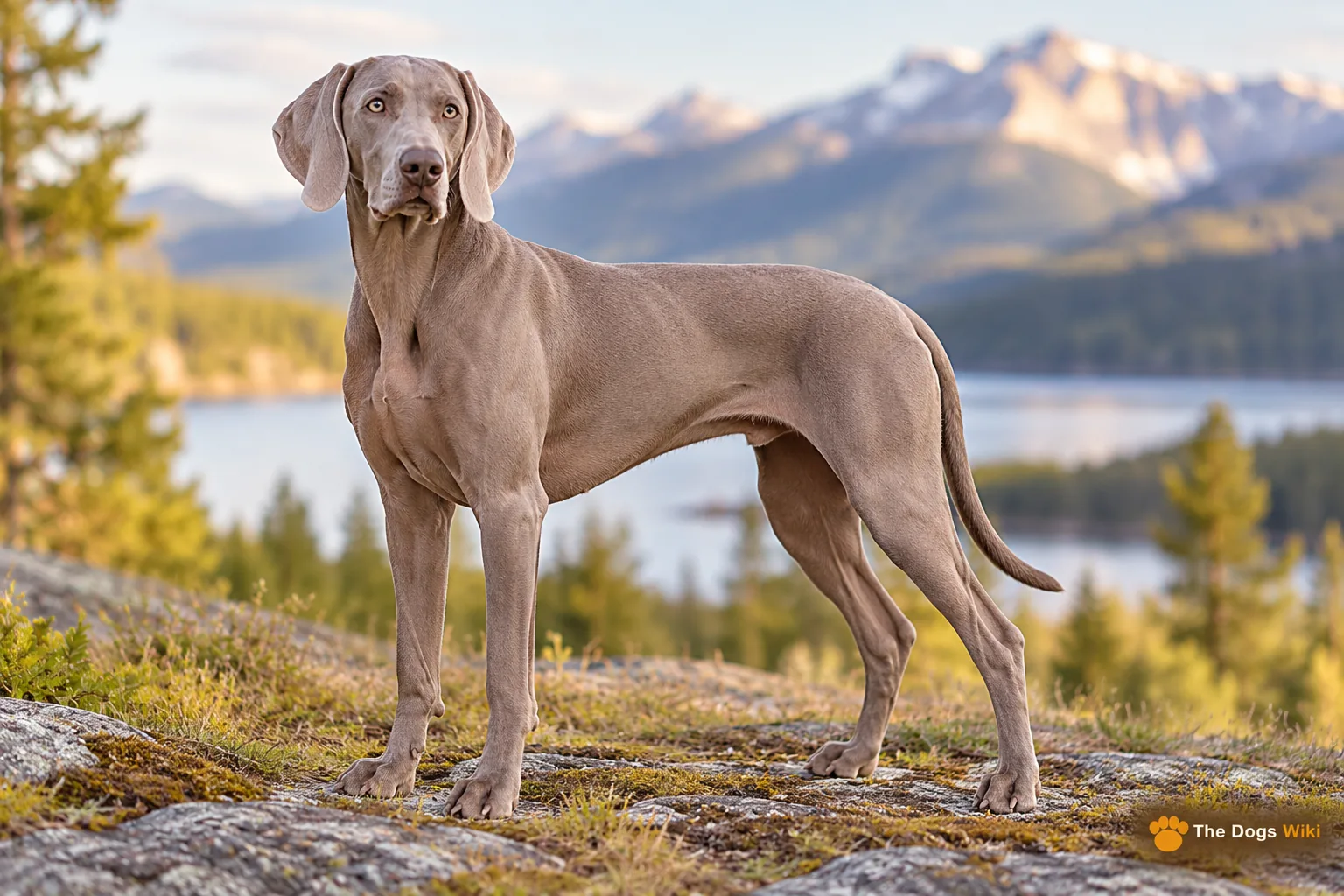
Vizslas and Weimaraners are both sleek, short-coated European Sporting Group breeds with high energy and strong attachment to their owners, but they differ in size and color. The Vizsla is smaller, standing 21 to 24 inches with a solid golden-rust coat, while Weimaraners are larger and have a distinctive silver-gray coat.
Related Guides
More guides on The Dogs Wiki cover grooming, behavior, training, nutrition, and adoption.
| Guide |
|---|
| Grooming |
| Behavior |
| Training |
| Nutrition |
| Adoption |
Comments
2 responses to “Vizsla: Breed Profile, Temperament, Health, and Care Guide”
[…] more exercise and consistent training to manage the breed’s independent streak. See the full Vizsla guide and Weimaraner guide for complete […]
[…] Vizsla […]