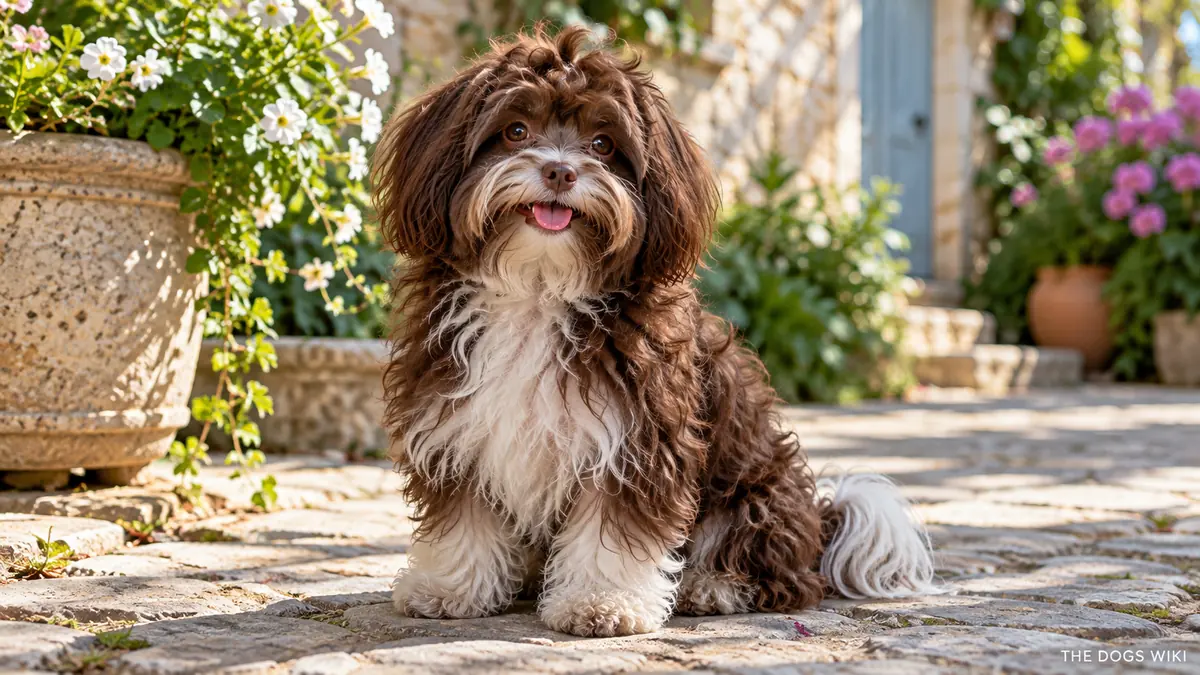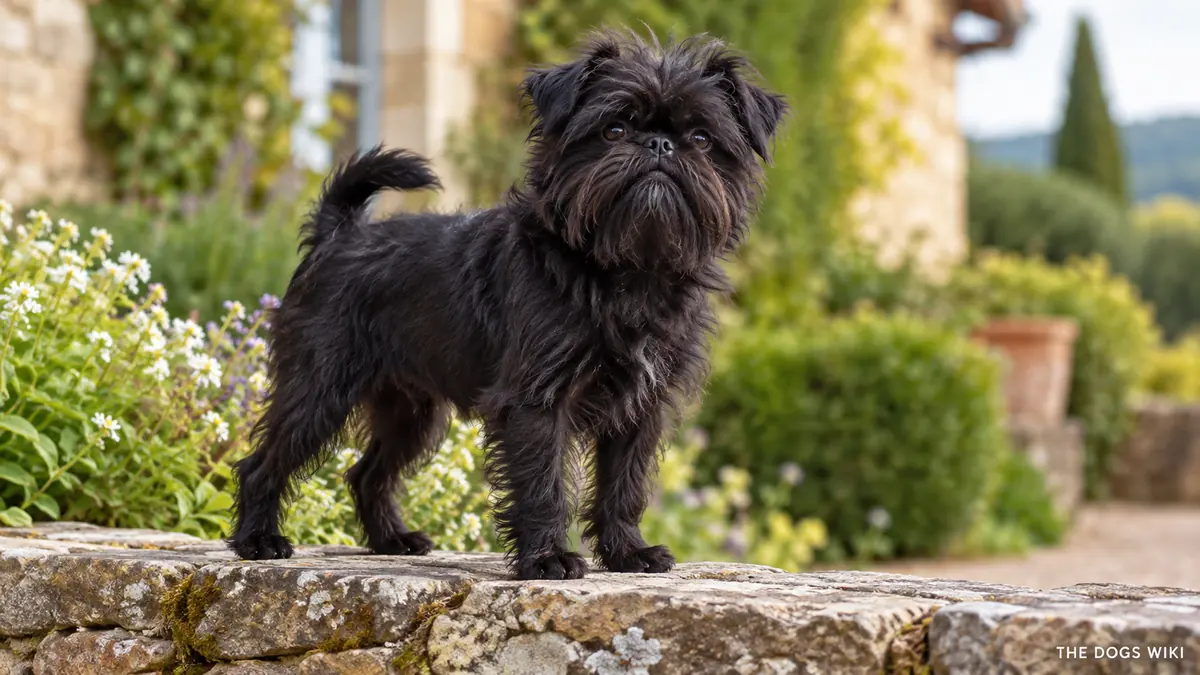
An Affenpinscher is a small Toy Group breed from Germany, likely one of the oldest toy breeds in the world.
Its name translates to “monkey terrier,” earned by its distinctive face and once-common nickname “Ratter.” A dog named Banana Joe won Best in Show at Westminster in 2013. This guide covers where the breed originated, its temperament, how big Affenpinschers get, how long they live, the health problems they are prone to, grooming, how much exercise they need, how easy they are to train, what to feed them, the pros and cons of owning one, and what else people ask.
What Is an Affenpinscher and Where Did the Breed Originate?
An Affenpinscher belongs to the AKC’s Toy Group. The breed originated in 17th-century Germany, developed to race through stables and kitchens exterminating rats and mice. Breeders reportedly crossed early Affenpinschers with Pugs, German Pinschers, and other breeds to shape the modern dog. Various clubs formed in France and Germany, and the AKC officially welcomed the breed in 1936.
The American Kennel Club defines the breed in its “Official Standard of the Affenpinscher”, approved June 12, 2000, which sets out the size, coat, and temperament an Affenpinscher should have. As of September 2026, the AKC ranks the Affenpinscher 162nd of 210 breeds in popularity.
What Is an Affenpinscher’s Temperament Like?
An Affenpinscher’s temperament is lively, affectionate, and genuinely humorous. The breed is confident, curious, and sometimes mischievous, making it an entertaining companion. Affenpinschers can be great with children who are taught how to interact appropriately, since the breed’s tiny size makes it vulnerable to accidental injury during rowdy play.
How Big Do Affenpinschers Get?
Affenpinschers are a small, sturdy, broad-chested breed with a domed skull, short muzzle, and a dense, coarse, shaggy coat. Colors include black, gray, silver, black and tan, and ruddy brown.
What Is the Average Affenpinscher Height and Weight?
| Measure | American Kennel Club figure |
|---|---|
| Height | 9-11.5 inches |
| Weight | 7-10 pounds |
| Life expectancy | 12-15 years |
Figures are from the American Kennel Club Affenpinscher breed profile, retrieved September 2026.
How Long Do Affenpinschers Live?
Affenpinschers live 12 to 15 years. Regular veterinary care supports a full life for this healthy toy breed.
What Health Problems Are Affenpinschers Prone To?
Affenpinschers are documented as being at higher risk for the following conditions.
- Brachycephalic airway syndrome. The breed’s flat face causes narrowed airways, affecting breathing and requiring caution in hot weather.
- Patellar luxation. A common small-breed condition in which the kneecap shifts out of its normal position.
- Heart and hip conditions. Reputable breeders screen breeding stock’s hips, eyes, and heart to reduce these risks.
- Overall good health. The breed carries no significant predisposed health issues beyond these documented concerns.
How Do You Groom an Affenpinscher?
Affenpinschers have a dense, wiry coat that sheds but not excessively. Regular brushing keeps the coat manageable, and occasional hand-stripping or clipping helps maintain proper texture.
How Much Exercise Does an Affenpinscher Need?
An Affenpinscher has a moderate energy level, enjoying playtime and short walks rather than intense activity. Given the breed’s genuine intelligence, mental stimulation matters just as much as physical exercise to prevent boredom.
Are Affenpinschers Easy to Train?
Affenpinschers are smart but genuinely bold and sometimes stubborn. Positive, patient training works best, and consistency matters given the breed’s independent streak.
What Should You Feed an Affenpinscher?
An Affenpinscher does well on a small-breed formula suited to its age and moderate activity level, with weight monitored closely given how directly excess weight worsens the breed’s brachycephalic breathing.
What Are the Pros and Cons of Owning an Affenpinscher?
Here are the main advantages of owning an Affenpinscher.
- Lively, affectionate, genuinely humorous temperament
- Well suited to apartments and families with children
- Moderate exercise needs
- Distinctive, monkey-like face
Here are the main drawbacks of owning an Affenpinscher.
- Documented brachycephalic breathing risk
- Genuinely stubborn at times, needs patient training
- Small size makes the breed vulnerable to injury from rough play
- Requires heat monitoring given breathing structure
Affenpinscher rescue organizations place adult dogs regularly, worth a look for anyone drawn to this breed’s playful character but not set on a breeder search.
What Else Do People Ask About the Affenpinscher?
The questions below cover how much an Affenpinscher costs, whether Affenpinschers are good family dogs, why the Affenpinscher is called a “monkey terrier”, and whether an Affenpinscher has ever won Best in Show at Westminster.
How much does an Affenpinscher cost?
Affenpinscher puppies cost $650 to $2,000 from a reputable breeder who screens for health and temperament. Adopting an adult dog through a rescue is usually cheaper.
Are Affenpinschers good family dogs?
Affenpinschers can be great family dogs for pet parents with children, as long as kids are taught how to interact with a small dog appropriately, since rowdy play could cause accidental injury.
Why is the Affenpinscher called a “monkey terrier”?
The name reflects the breed’s distinctive facial appearance, with large dark eyes and a protruding lower jaw that give it a genuinely monkey-like expression, despite the breed not belonging to the terrier group.
Did an Affenpinscher ever win Best in Show at Westminster?
Yes, a dog named Banana Joe won Best in Show at the Westminster Kennel Club show in 2013, a genuinely notable moment for the breed’s visibility and popularity in the United States.
Related Guides
More guides on The Dogs Wiki cover behavior, health, grooming, training, nutrition, and adoption.
| Guide |
|---|
| Behavior |
| Health |
| Grooming |
| Training |
| Nutrition |
| Adoption |