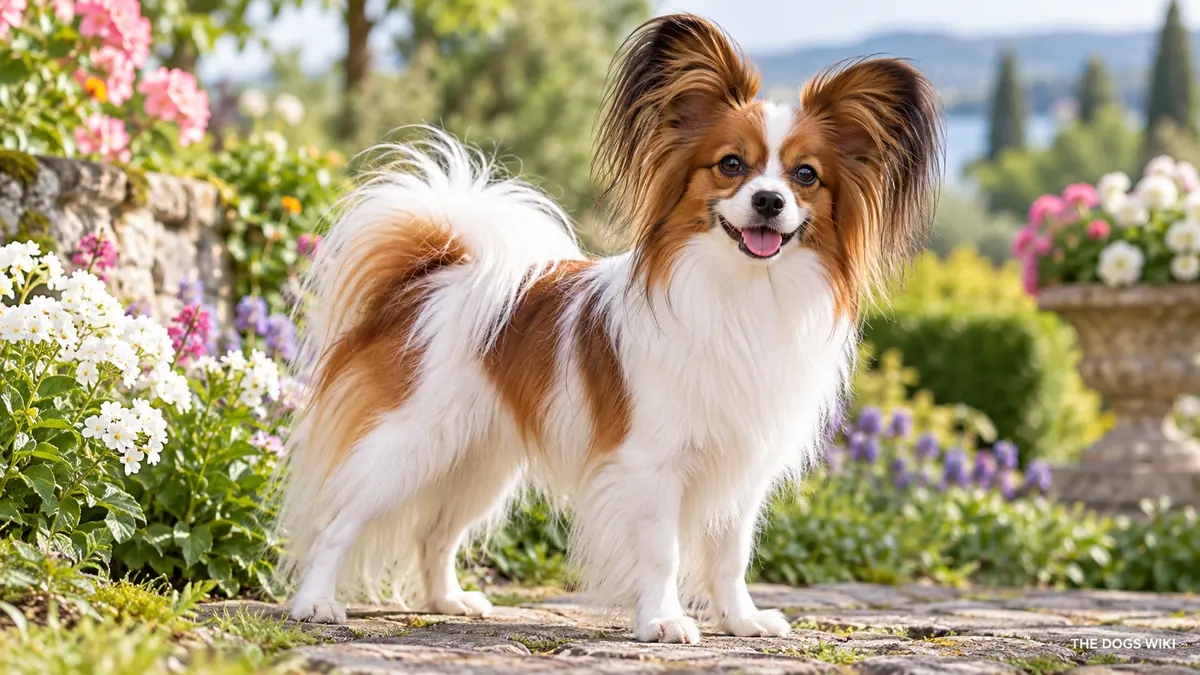
A Brussels Griffon is a small Toy Group breed from Belgium.
It descends from the German Affenpinscher and local Belgian street dogs. Bred originally as a stable ratter, it later became a beloved house pet. Fans often compare its near-human face to the Ewoks from Star Wars. This guide covers where the breed originated, its temperament, how big Brussels Griffons get, how long they live, the health problems they are prone to, grooming, how much exercise they need, how easy they are to train, what to feed them, the pros and cons of owning one, and what else people ask.
What Is a Brussels Griffon and Where Did the Breed Originate?
A Brussels Griffon belongs to the AKC’s Toy Group. The breed emerged in 17th-century Belgium from a cross of the German Affenpinscher and Belgian street dogs, producing a rough-coated ratter. Exports to America and England began by the late 1800s. The AKC officially recognized the breed in 1910. Wartime losses in World War II nearly ended the breed, until British and American breeders revived it.
The American Kennel Club defines the breed in its “Official Standard for the Brussels Griffon”, approved November 8, 2022, which sets out the size, coat, and temperament a Brussels Griffon should have. As of September 2026, the AKC ranks the Brussels Griffon 84th of 210 breeds in popularity.
What Is a Brussels Griffon’s Temperament Like?
A Brussels Griffon’s temperament is intelligent, social, and genuinely devoted. The breed is a true “Velcro dog” that wants nothing more than to stay close to its person. It’s friendly with new people and pets but retains real prey drive toward small animals like hamsters. This breed can be demanding and assertive, needing patient, positive training.
How Big Do Brussels Griffons Get?
Brussels Griffons are a small, stocky, square-bodied breed with a large, round head and prominent, wide-set eyes. The coat comes in rough or smooth varieties.
What Is the Average Brussels Griffon Height and Weight?
| Measure | American Kennel Club figure |
|---|---|
| Height | 7-10 inches |
| Weight | 8-10 pounds |
| Life expectancy | 12-15 years |
Figures are from the American Kennel Club Brussels Griffon breed profile, retrieved September 2026.
How Long Do Brussels Griffons Live?
Brussels Griffons live 12 to 15 years. Regular veterinary care supports a full life, given the breed’s brachycephalic build and documented health risks.
What Health Problems Are Brussels Griffons Prone To?
Brussels Griffons are documented as being at higher risk for the following conditions.
- Brachycephalic obstructive airway syndrome. The breed’s flat face causes narrow nostrils and airways, causing breathing difficulty, in particular during exercise.
- Cataracts. A common, sometimes hereditary eye condition causing a cloudy appearance in the eye; surgery is the standard treatment.
- Hip dysplasia. A joint condition worth screening for, though small size means Griffons show minimal pain compared to larger breeds.
- Chiari-like malformation and syringomyelia. A documented neurological condition in the breed, affecting the skull and spinal cord.
- Dental issues. A genuine concern given the breed’s small mouth, managed with regular brushing and cleanings.
How Do You Groom a Brussels Griffon?
A rough-coated Brussels Griffon needs clipping and stripping plus brushing twice a week, while the smooth coat needs only a quick weekly brushing. Bathing every couple of months is generally enough for either coat type.
How Much Exercise Does a Brussels Griffon Need?
A Brussels Griffon needs daily exercise despite its small size and doesn’t make a good kennel dog. The breed prefers being with its owner rather than left alone, and it’s well suited to apartments and small backyards alike.
Are Brussels Griffons Easy to Train?
Brussels Griffons are intelligent but genuinely stubborn, and the breed doesn’t accept harsh punishment. Patient, positive training works best, and this breed benefits from an owner ready to devote real time and attention.
What Should You Feed a Brussels Griffon?
A Brussels Griffon does well on a small-breed diet suited to its size, possibly with a vet-approved dental formula given the breed’s dental issue risk. A veterinarian can help set appropriate portions.
What Are the Pros and Cons of Owning a Brussels Griffon?
Here are the main advantages of owning a Brussels Griffon.
- Intelligent, social, genuinely devoted temperament
- Well suited to apartment living
- Excellent watchdog
- Comically expressive, near-human face
Here are the main drawbacks of owning a Brussels Griffon.
- Documented brachycephalic breathing risk
- Genuinely stubborn, doesn’t accept harsh handling
- Doesn’t tolerate being left alone well
- Not always a good match for young children given its small, assertive nature
Brussels Griffon rescue organizations place adult dogs regularly, worth a look for anyone drawn to this breed’s expressive personality but not set on a breeder search.
What Else Do People Ask About the Brussels Griffon?
The questions below cover how much a Brussels Griffon costs, whether Brussels Griffons are good family dogs, why the Brussels Griffon is compared to Ewoks, and whether Brussels Griffons bark a lot.
How much does a Brussels Griffon cost?
Prices vary by region and breeder reputation. A puppy from a health-tested breeder typically costs more than average. Adopting an adult dog through a rescue is usually cheaper.
Are Brussels Griffons good family dogs?
Brussels Griffons can be good family dogs if children understand this small breed isn’t a toy to handle roughly. The breed is genuinely social but demanding of attention and gentle handling.
Why is the Brussels Griffon compared to Ewoks?
The breed’s expressive, almost childlike face, large wide-set eyes, and stocky body give it a distinctive appearance often compared to the Ewoks from Return of the Jedi, a comparison fans of the breed genuinely accept.
Do Brussels Griffons bark a lot?
Yes, they can bark excessively if not properly trained, since the breed is genuinely alert and demanding. Consistent, positive training can meaningfully reduce this tendency.
Related Guides
More guides on The Dogs Wiki cover behavior, grooming, training, nutrition, and adoption.
| Guide |
|---|
| Behavior |
| Grooming |
| Training |
| Nutrition |
| Adoption |